
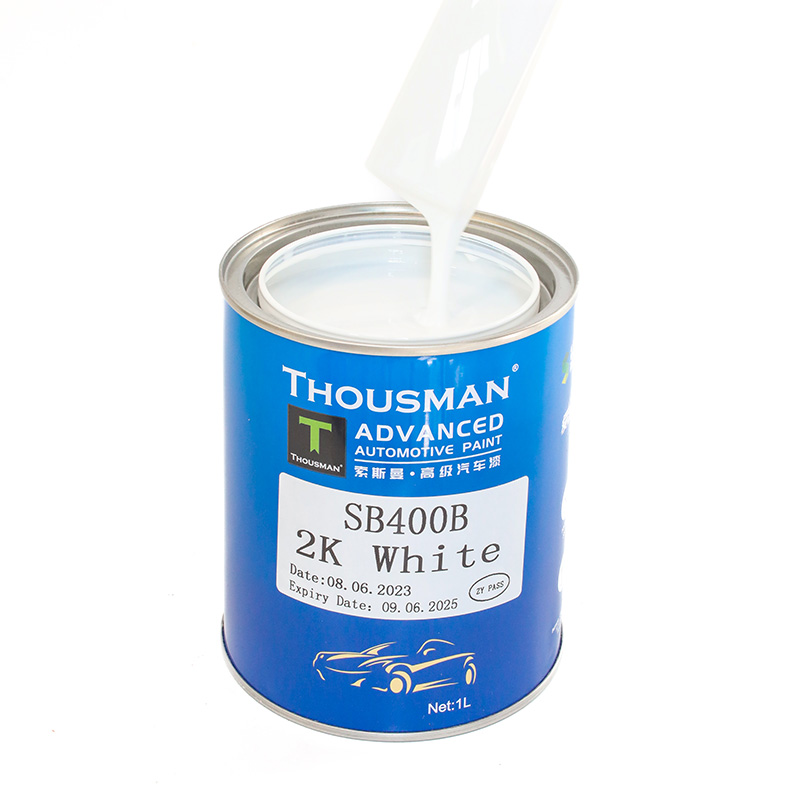
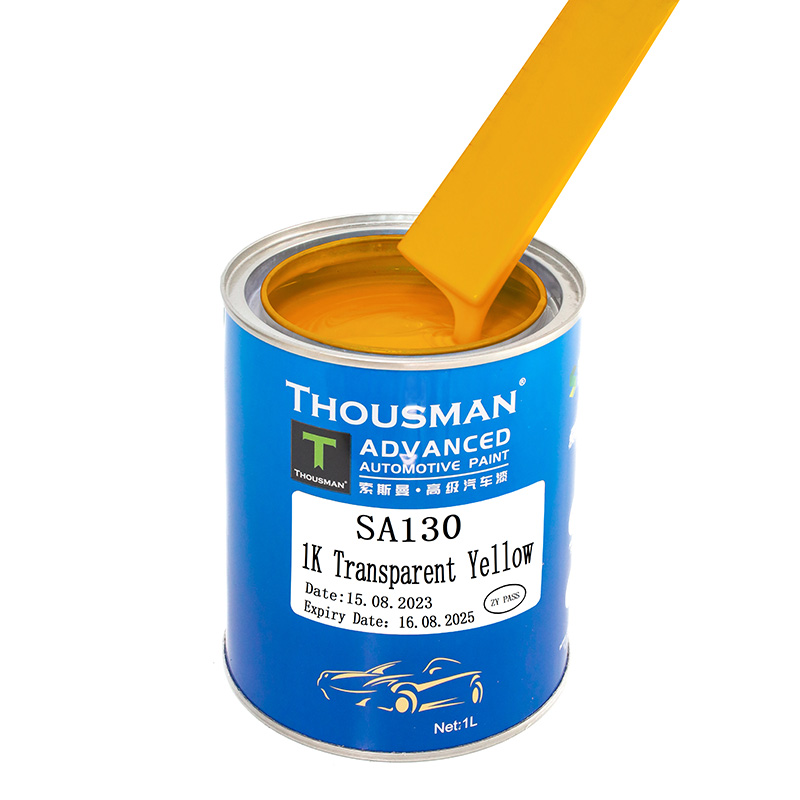
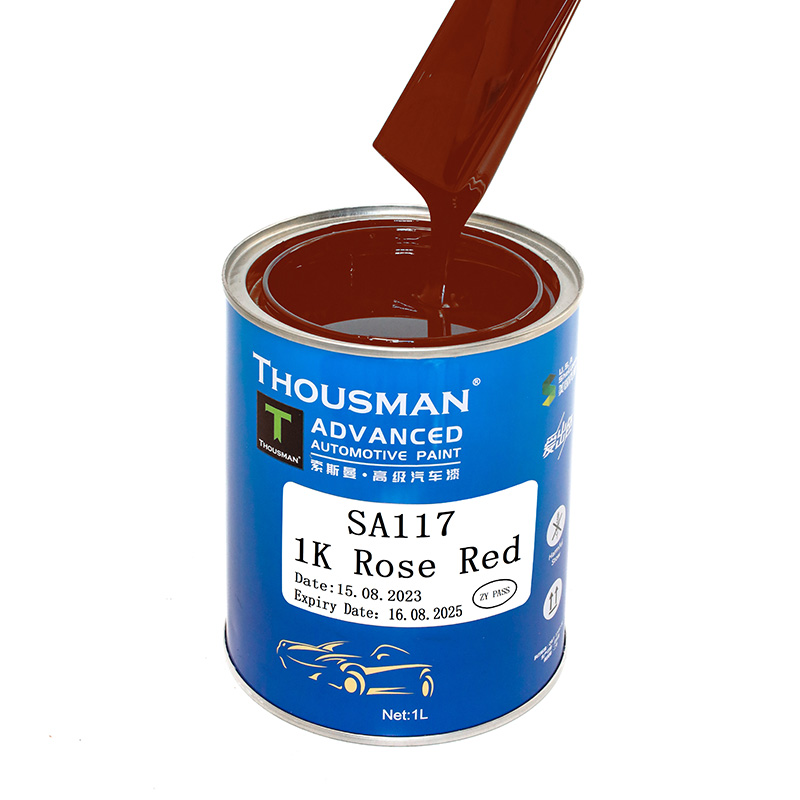
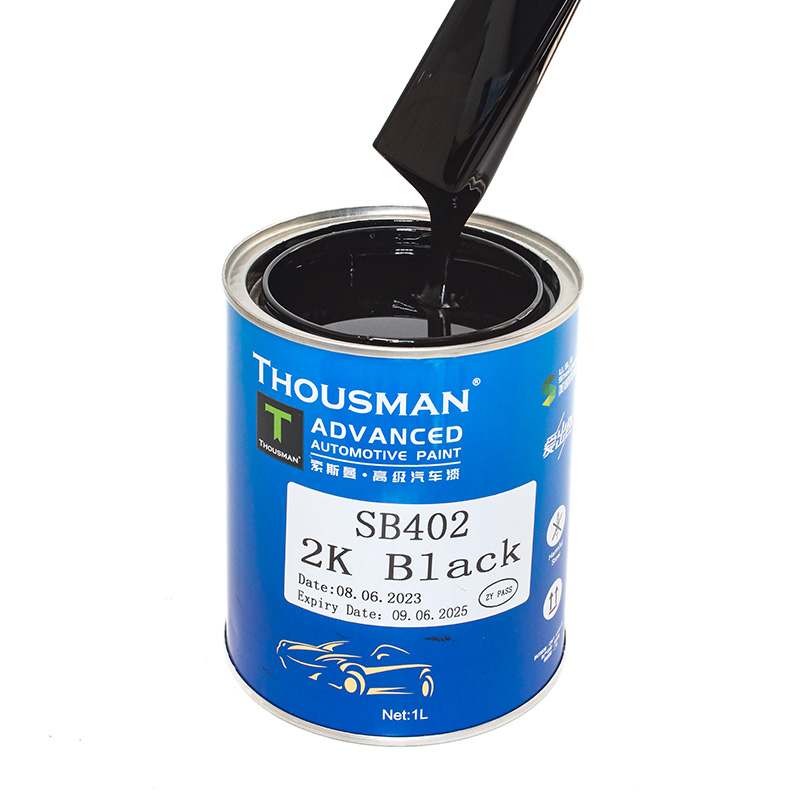
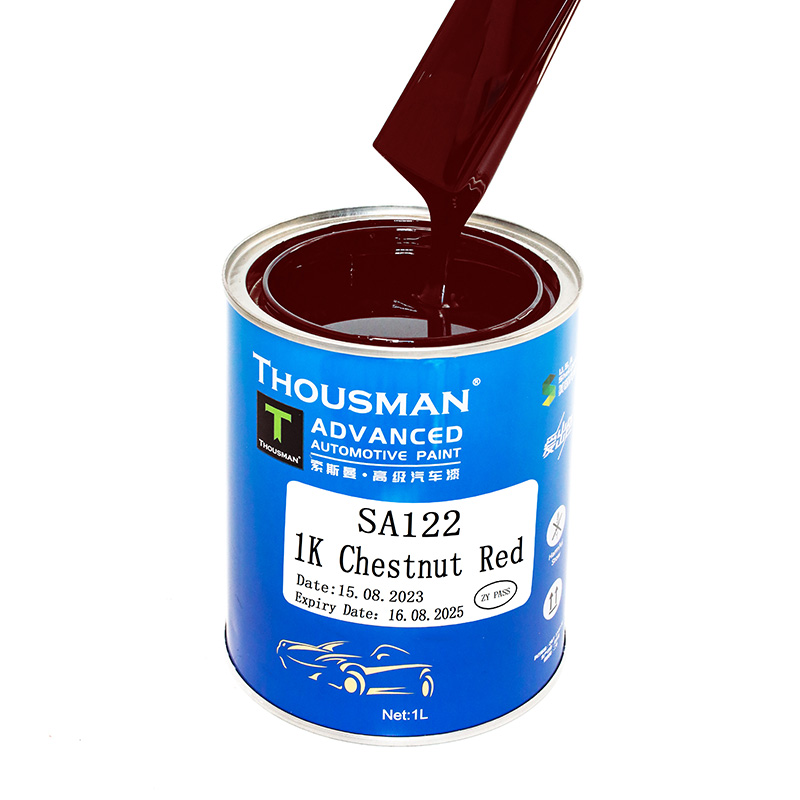
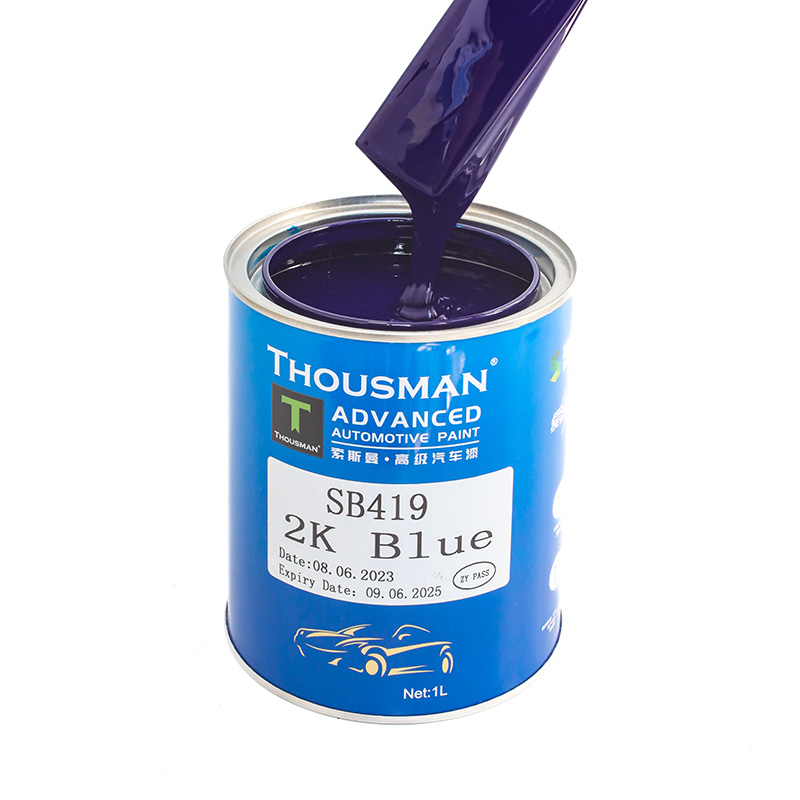
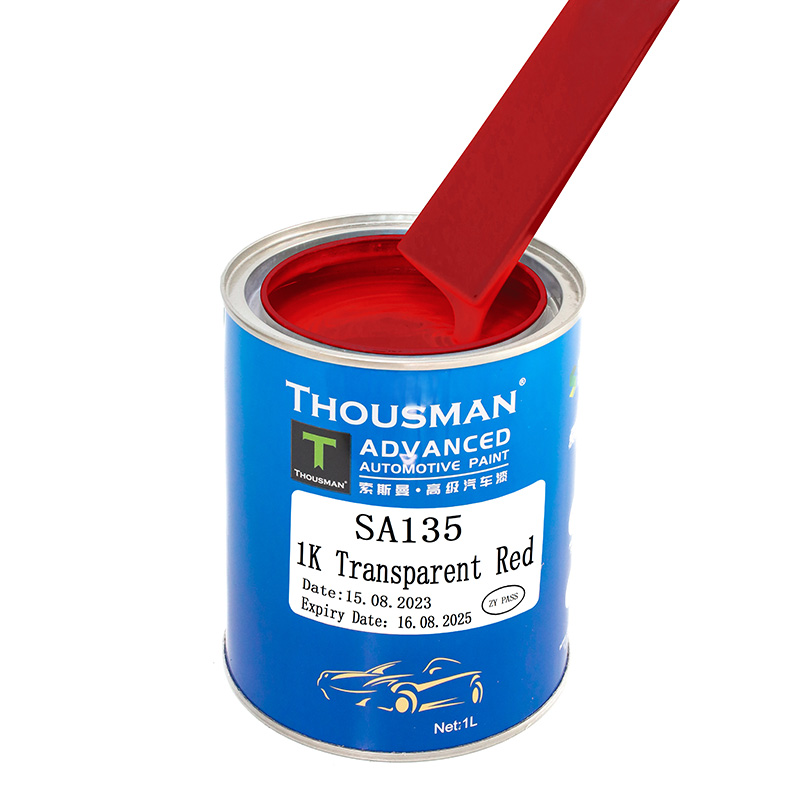
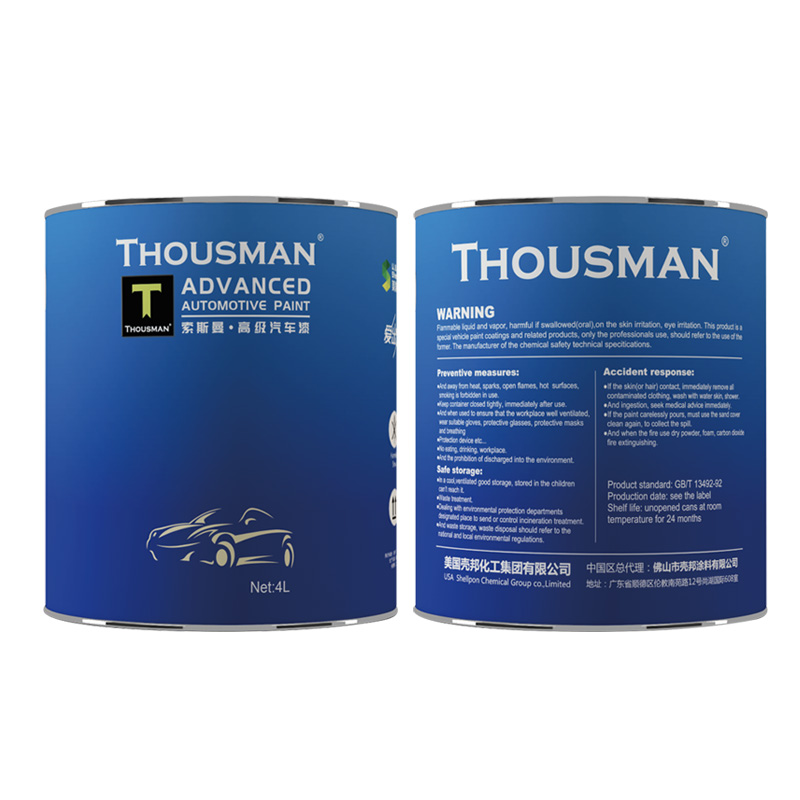
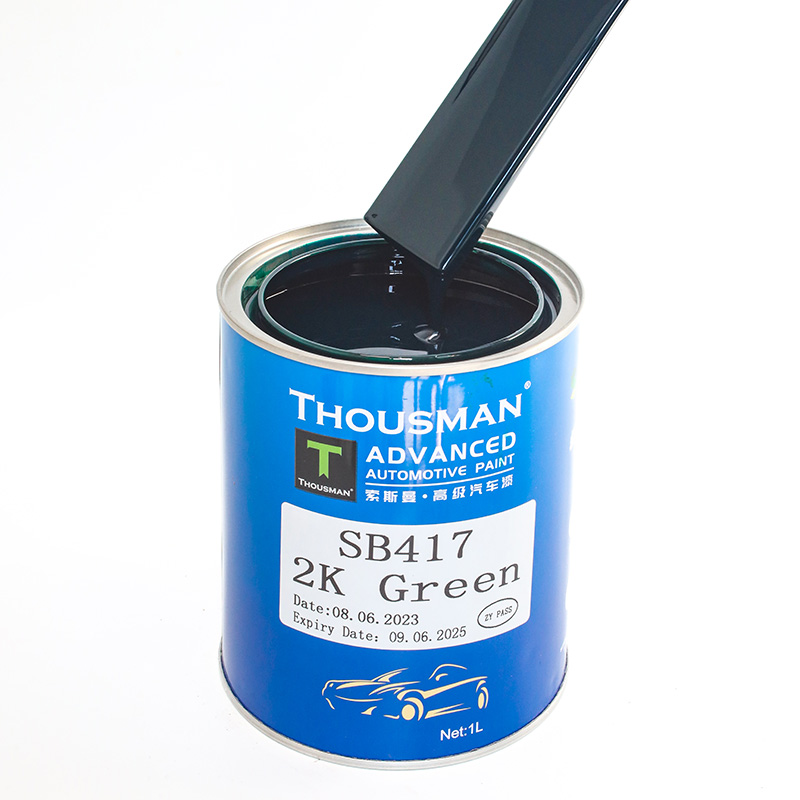
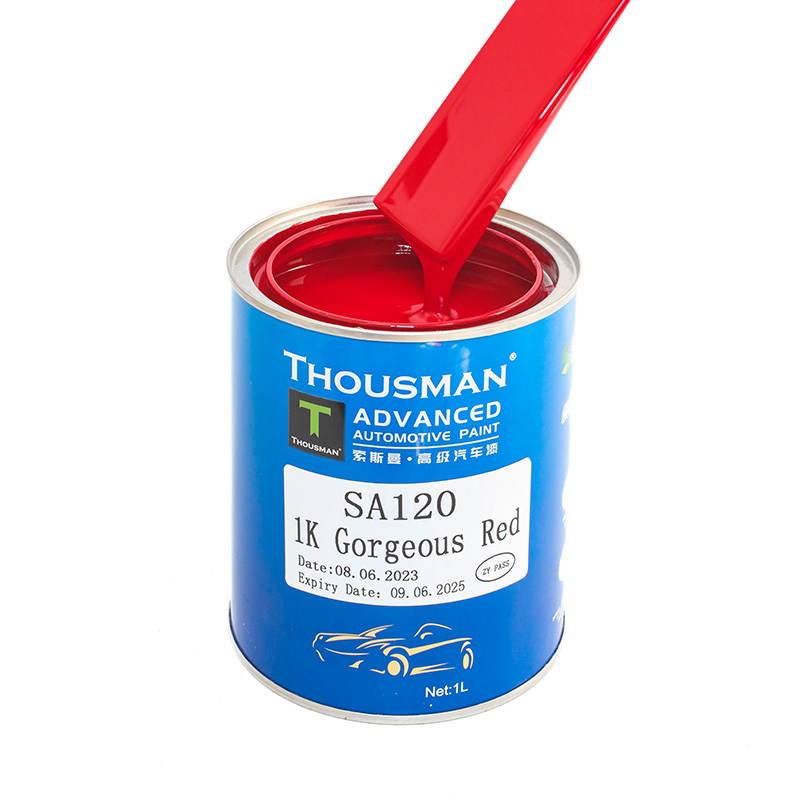
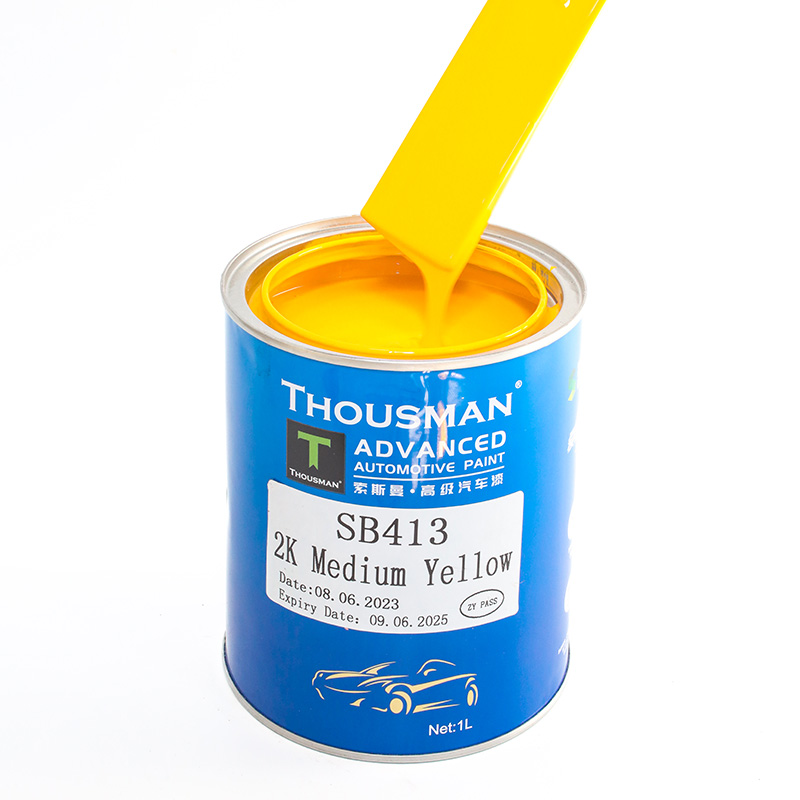
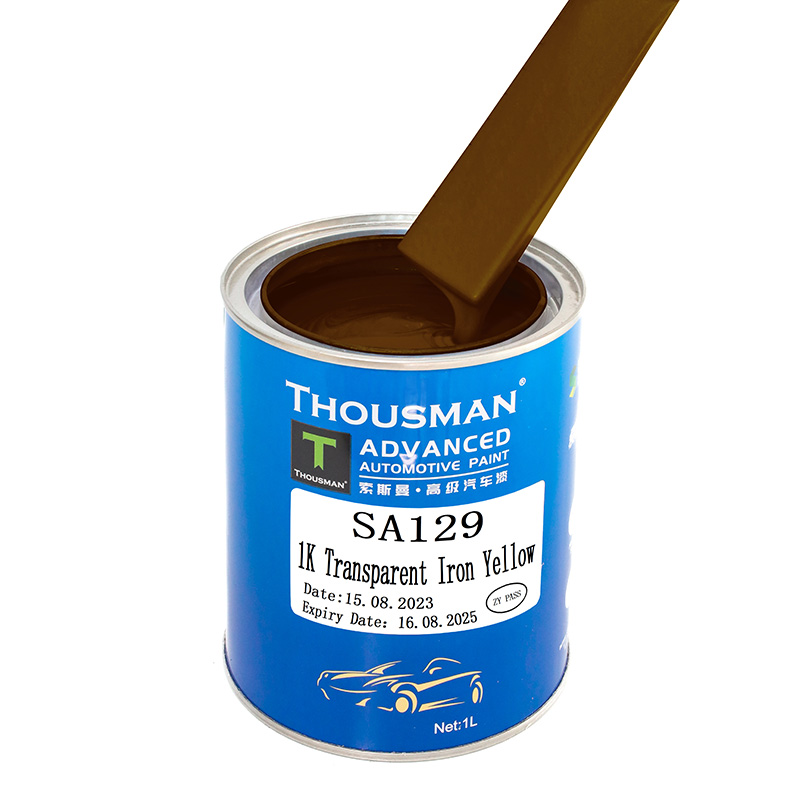
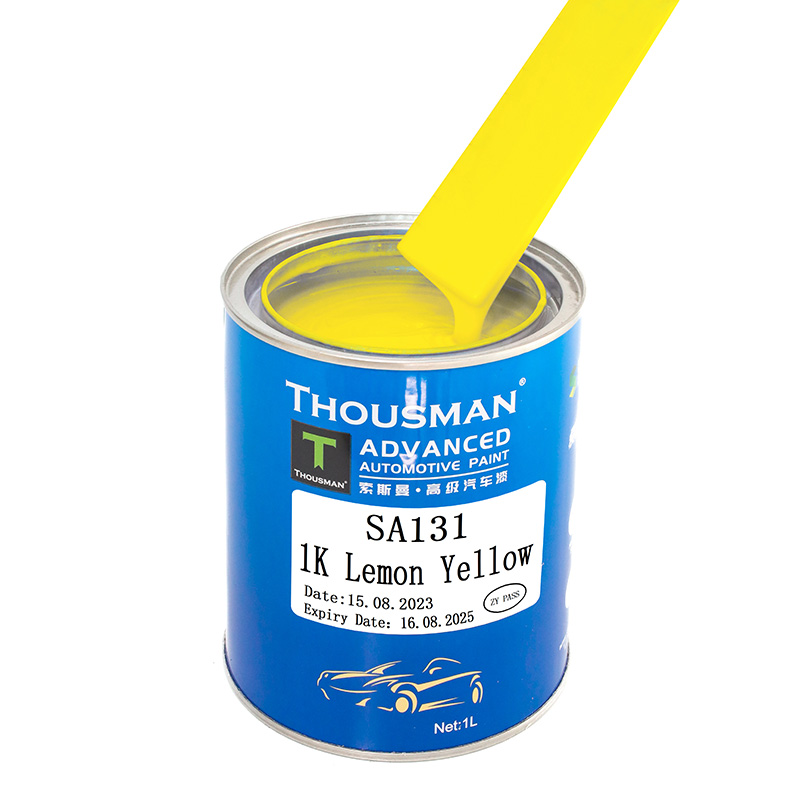
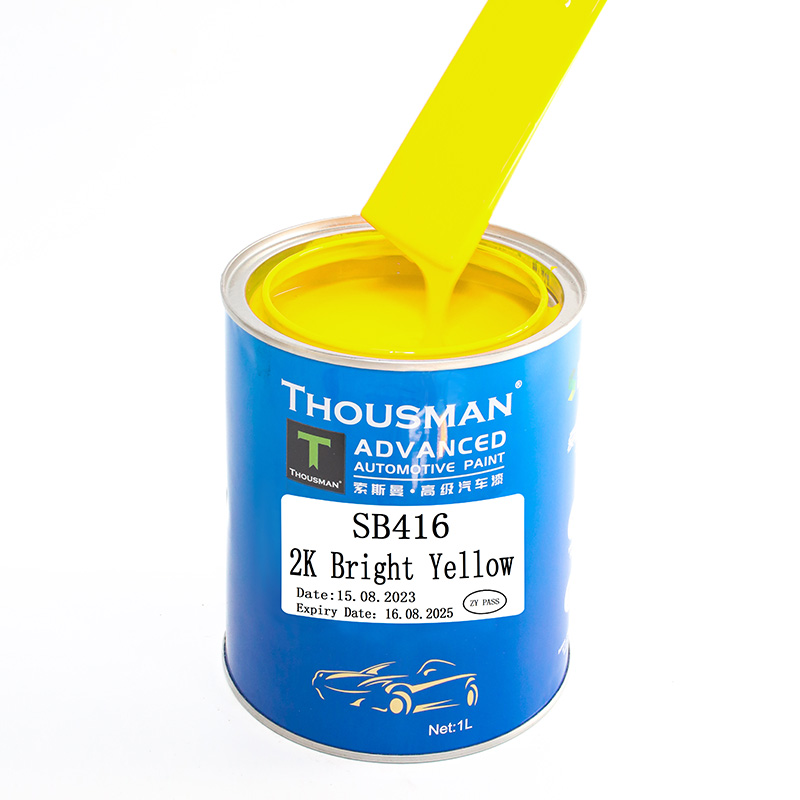
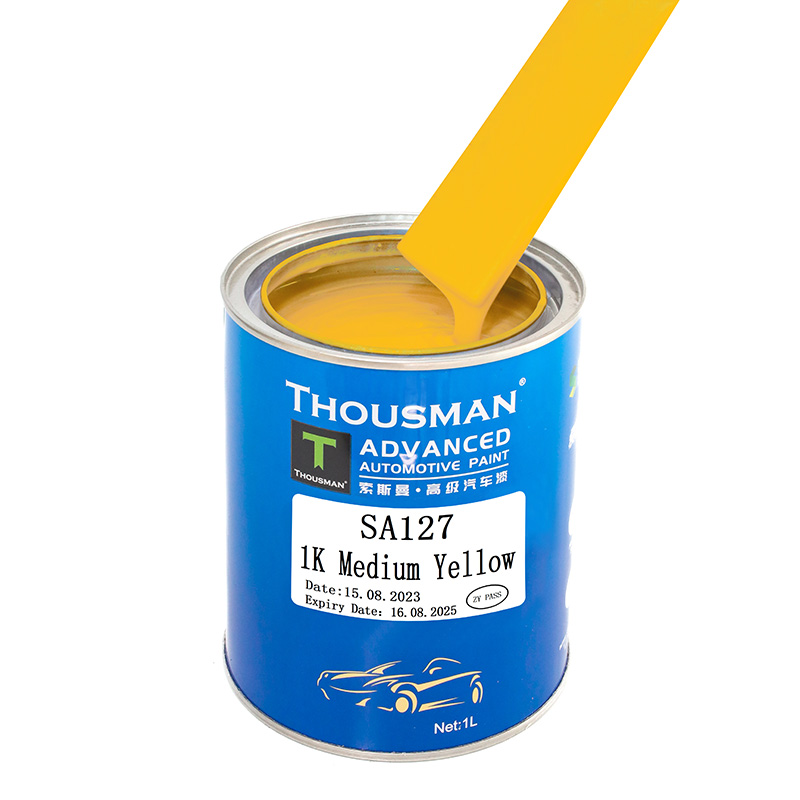
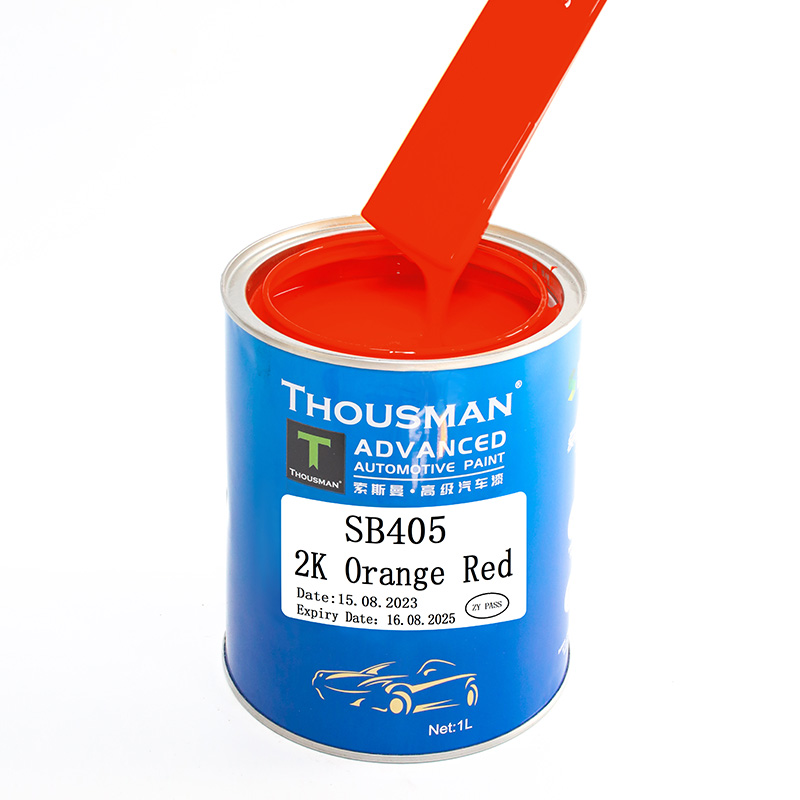
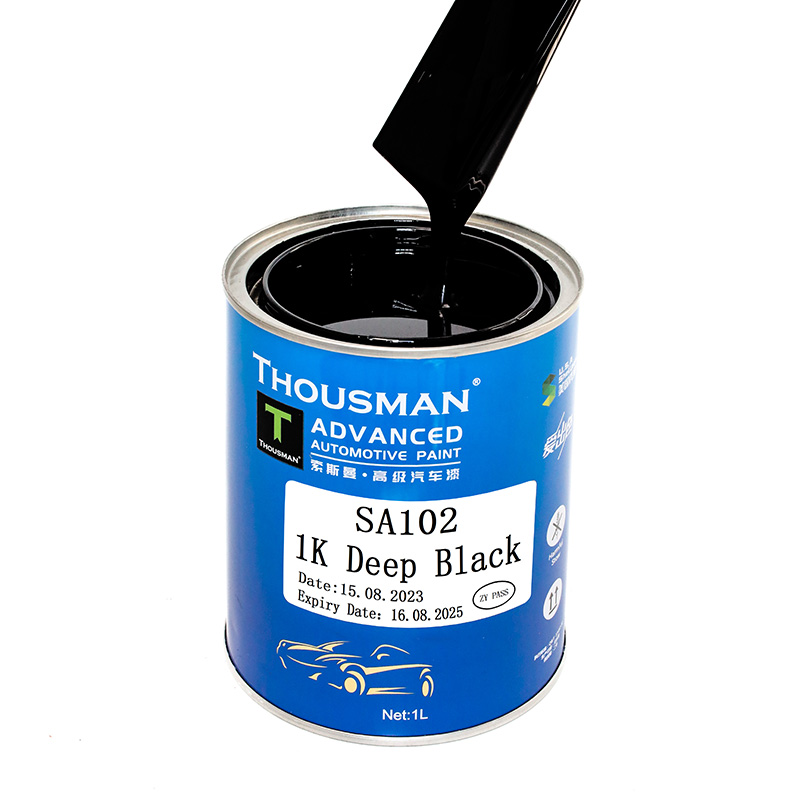
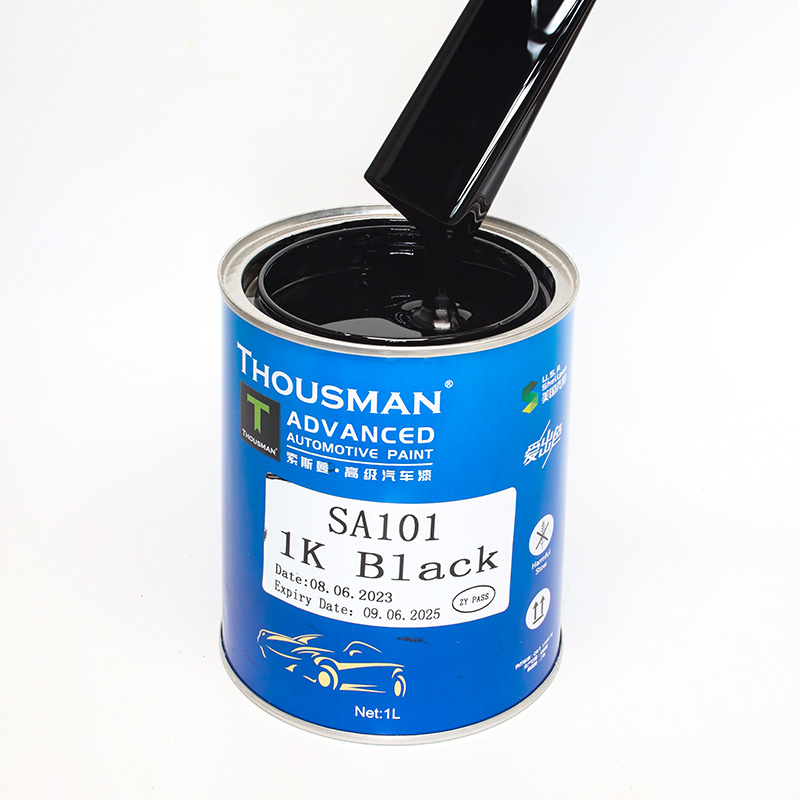
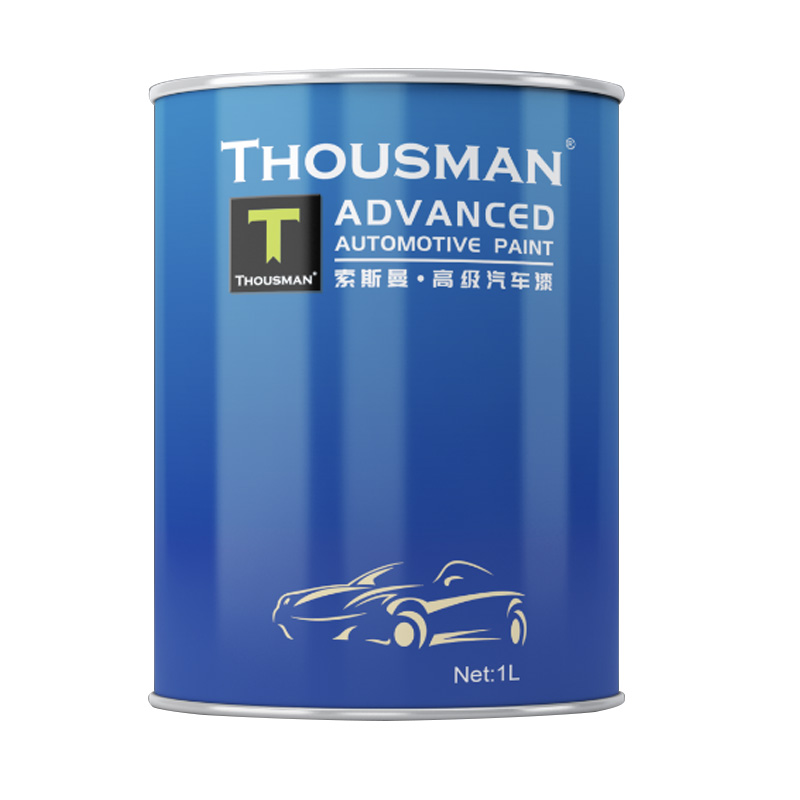
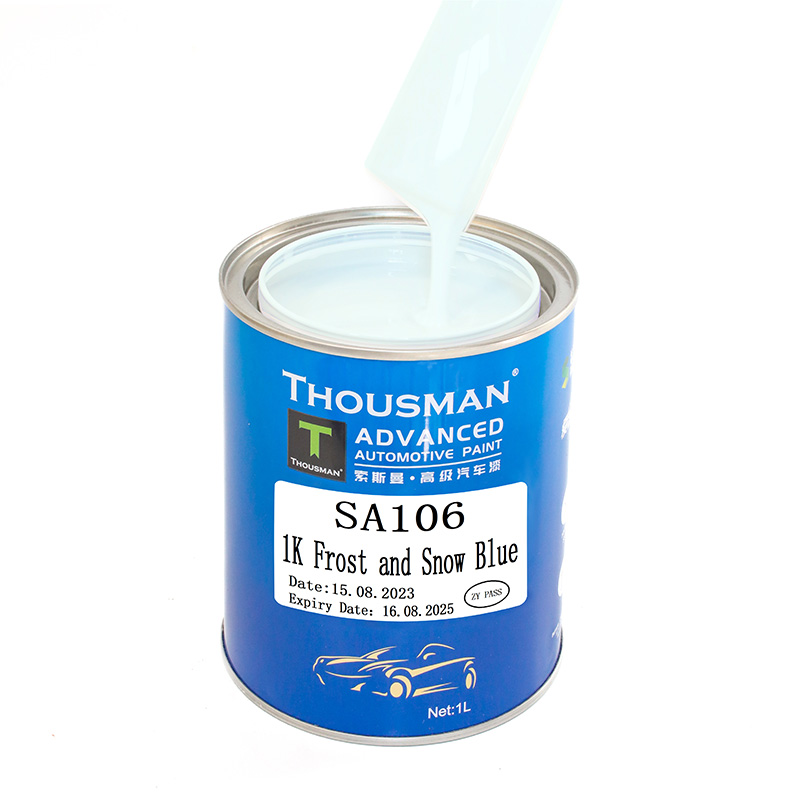
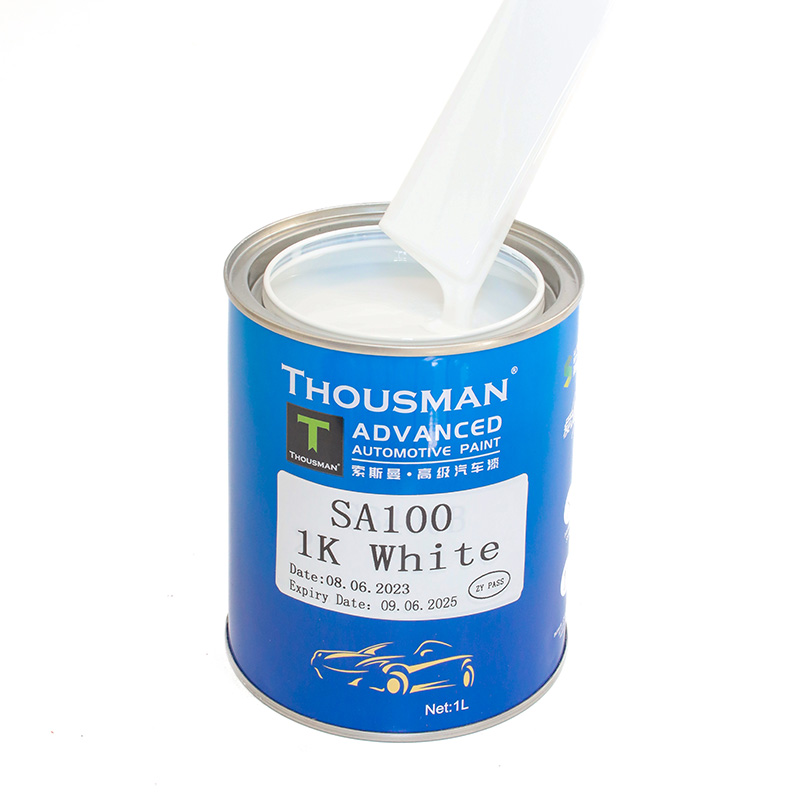
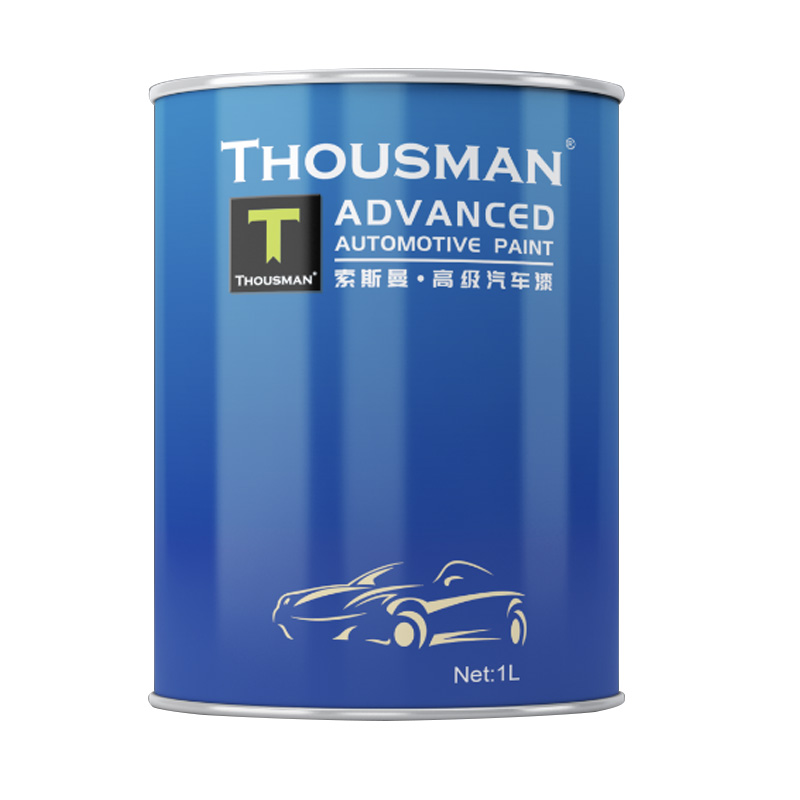
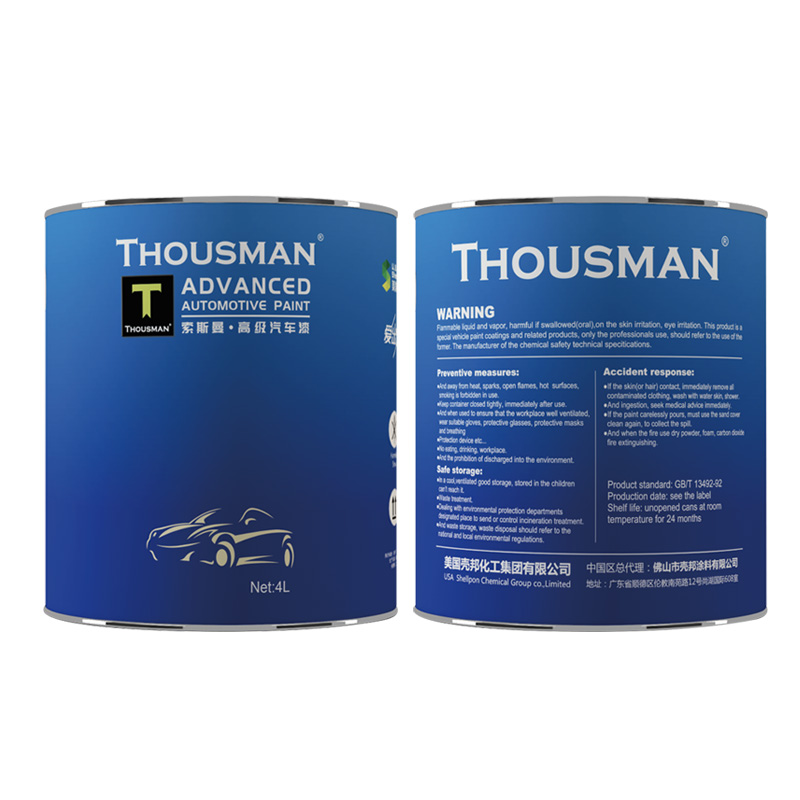
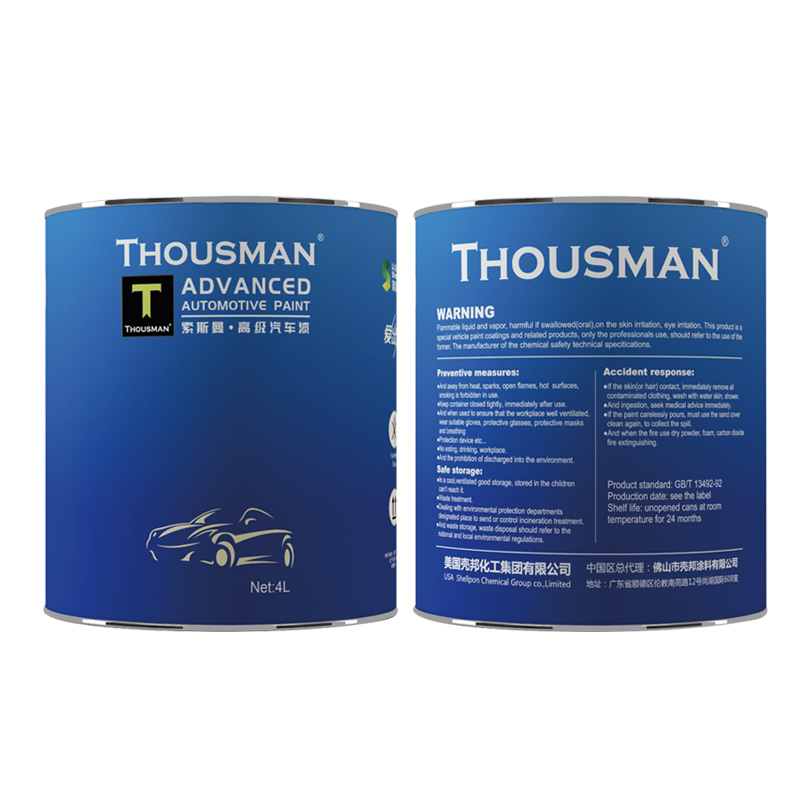
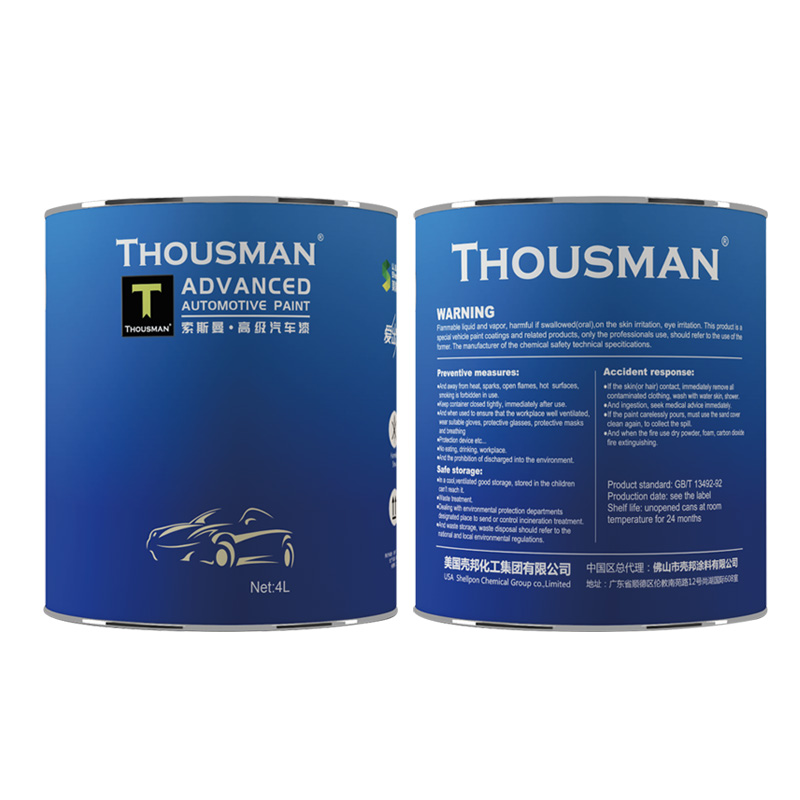
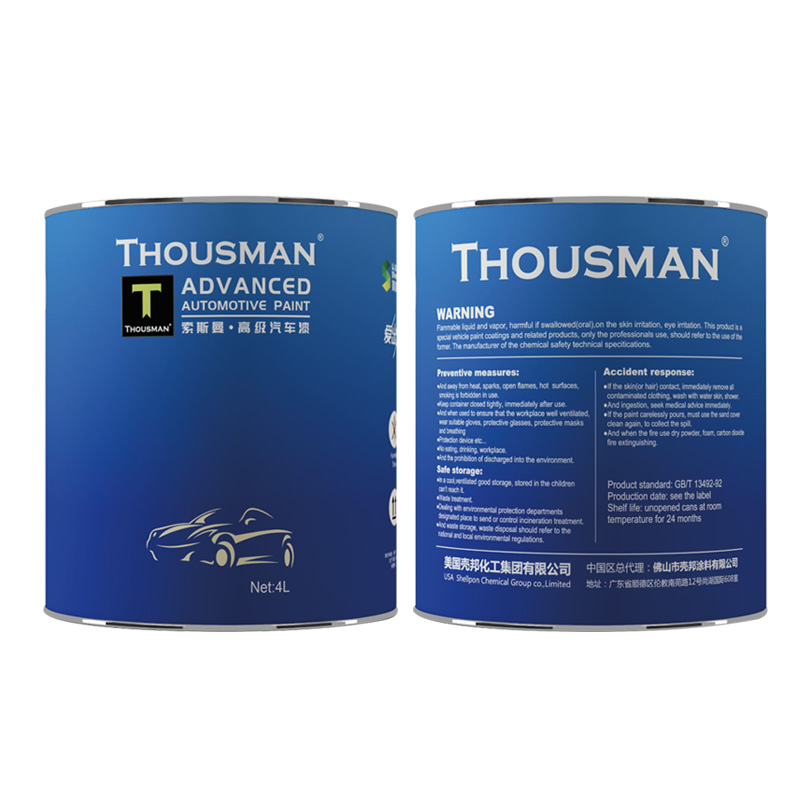
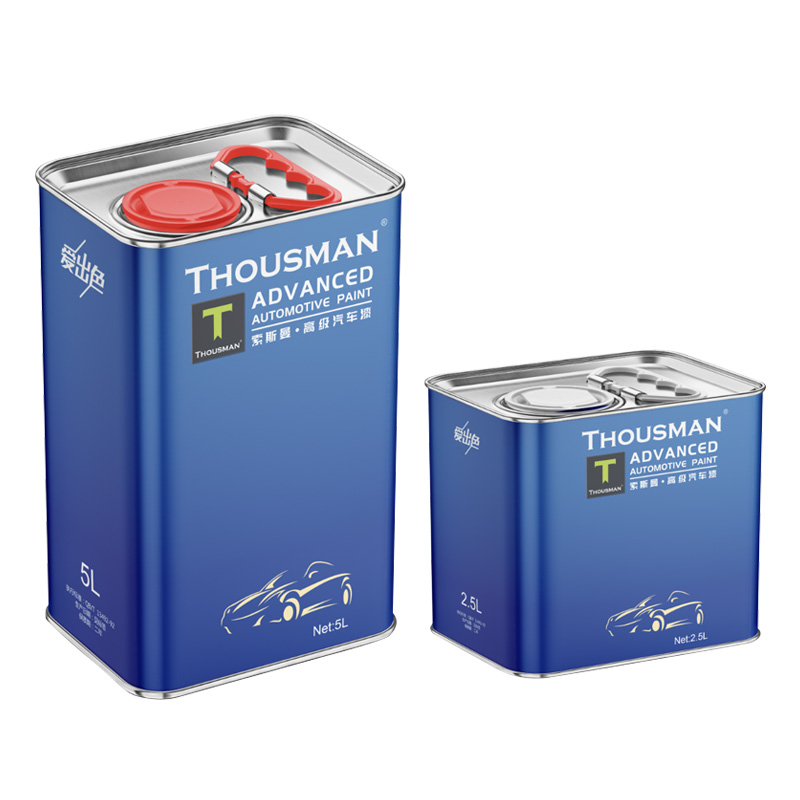
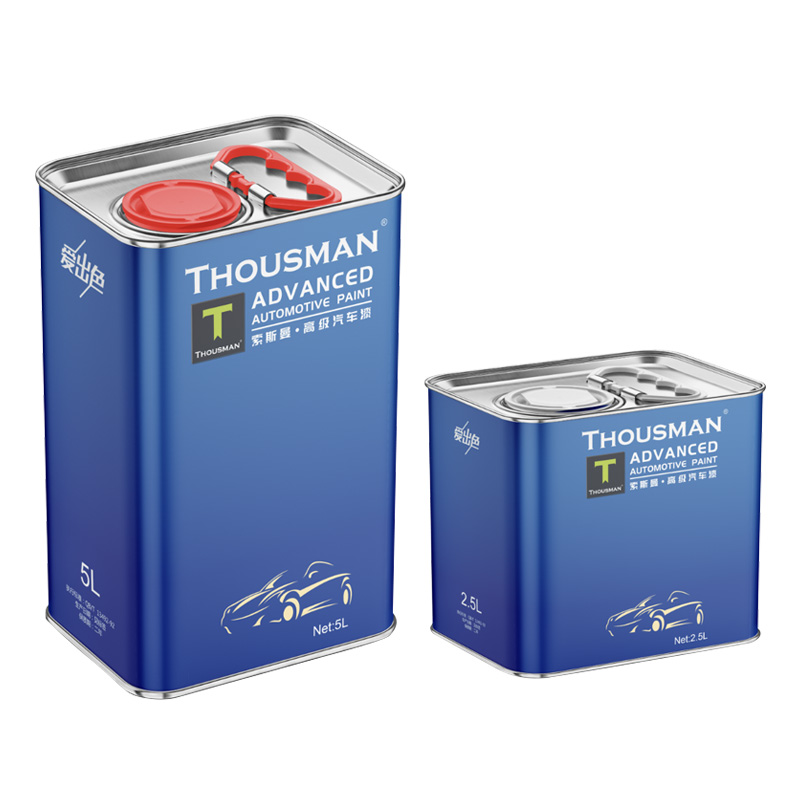
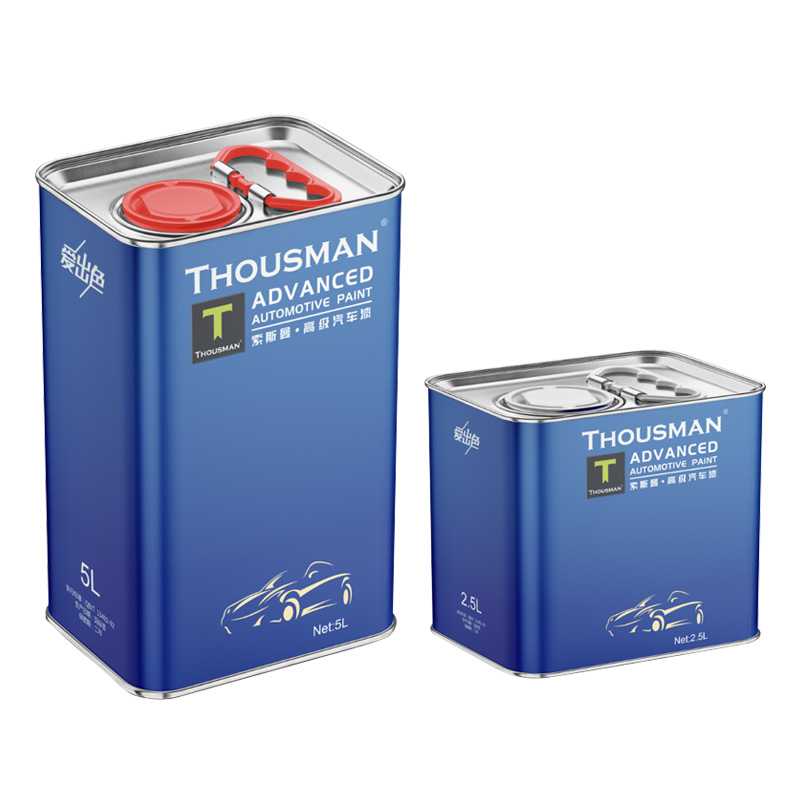
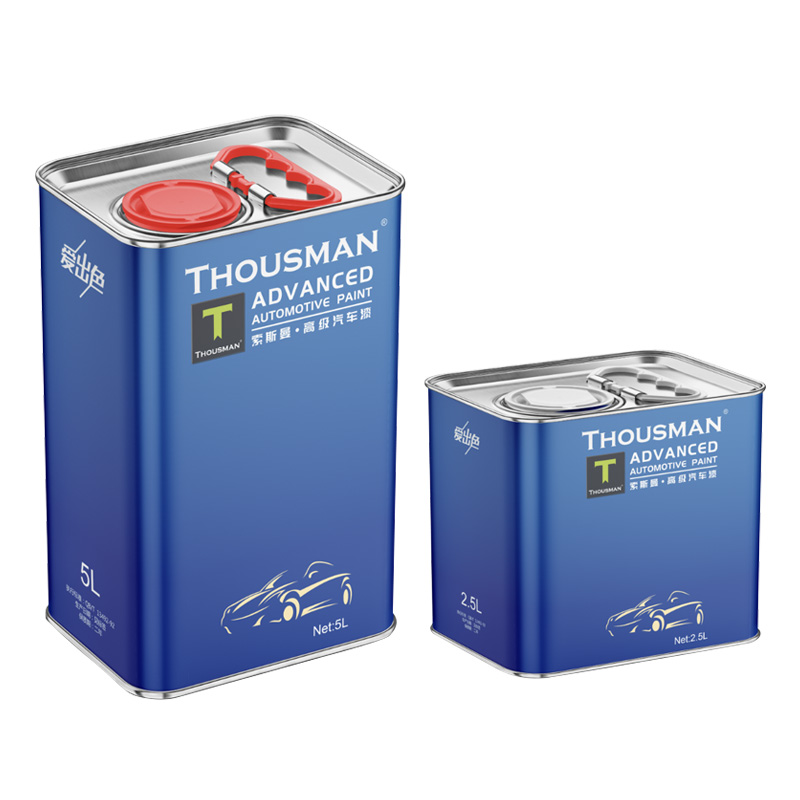
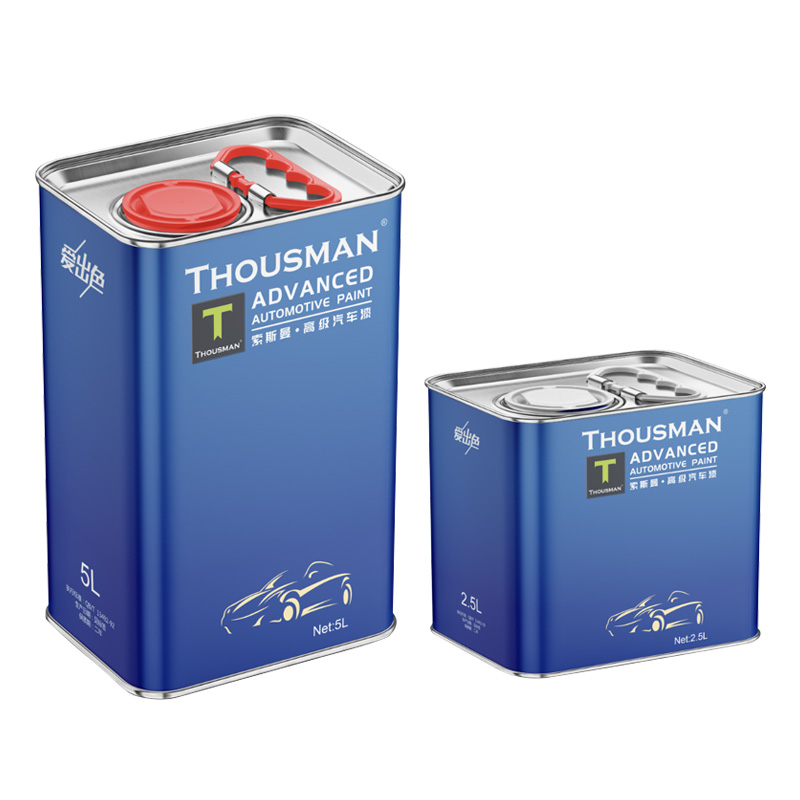
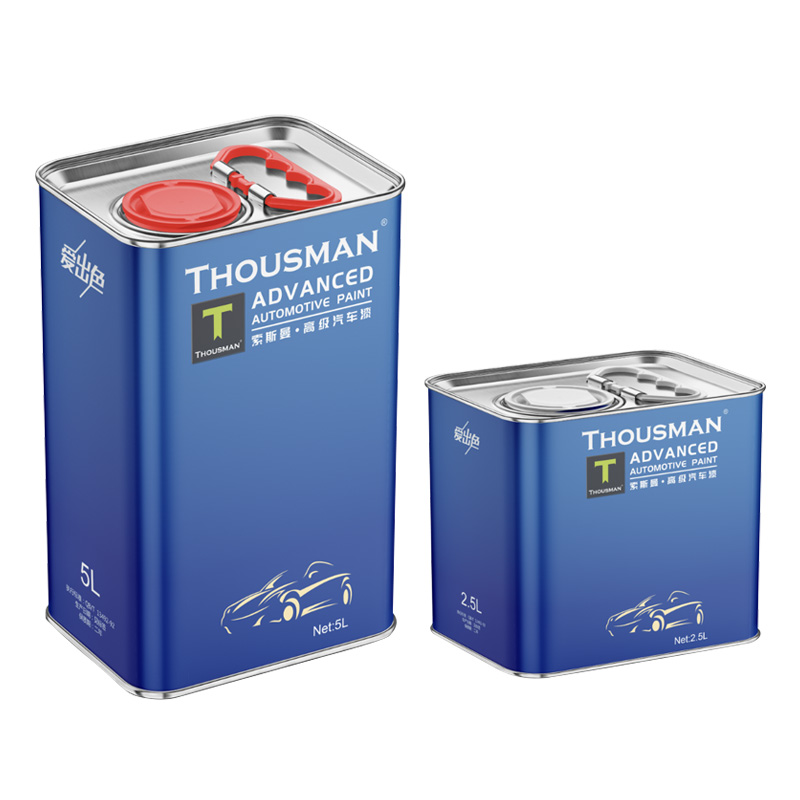
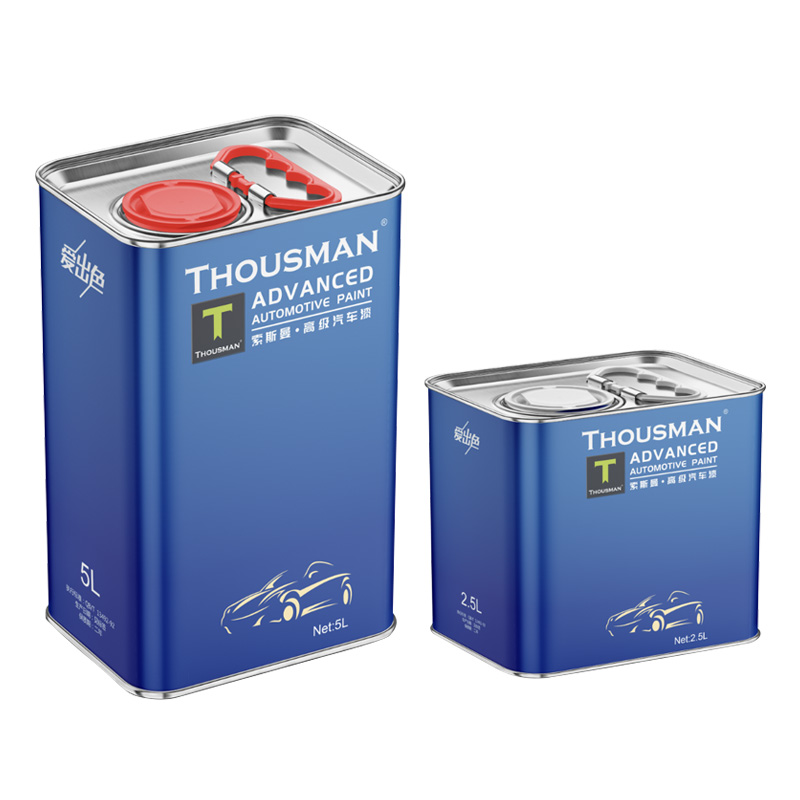
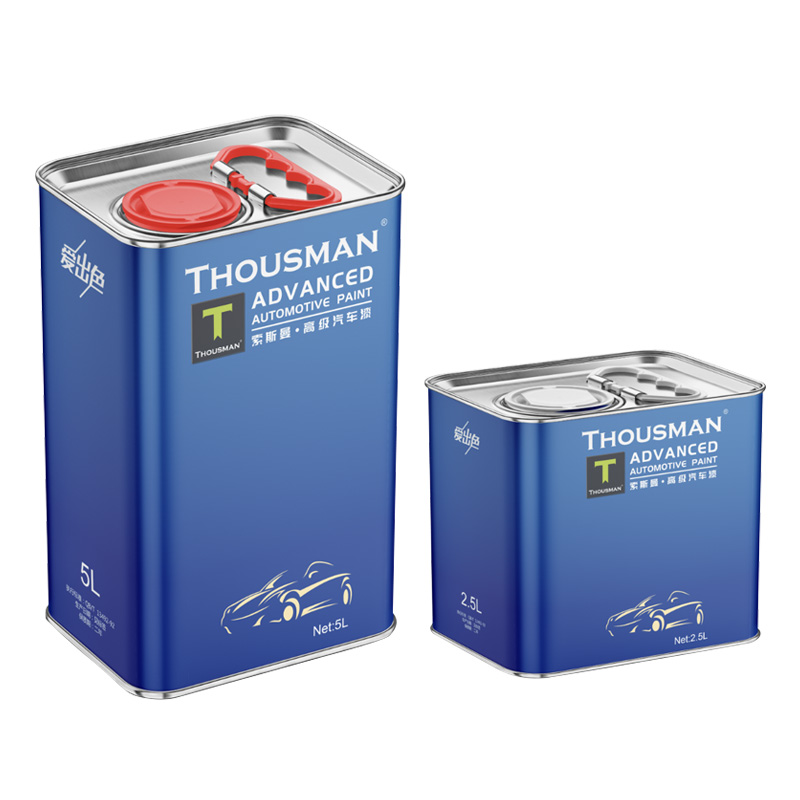
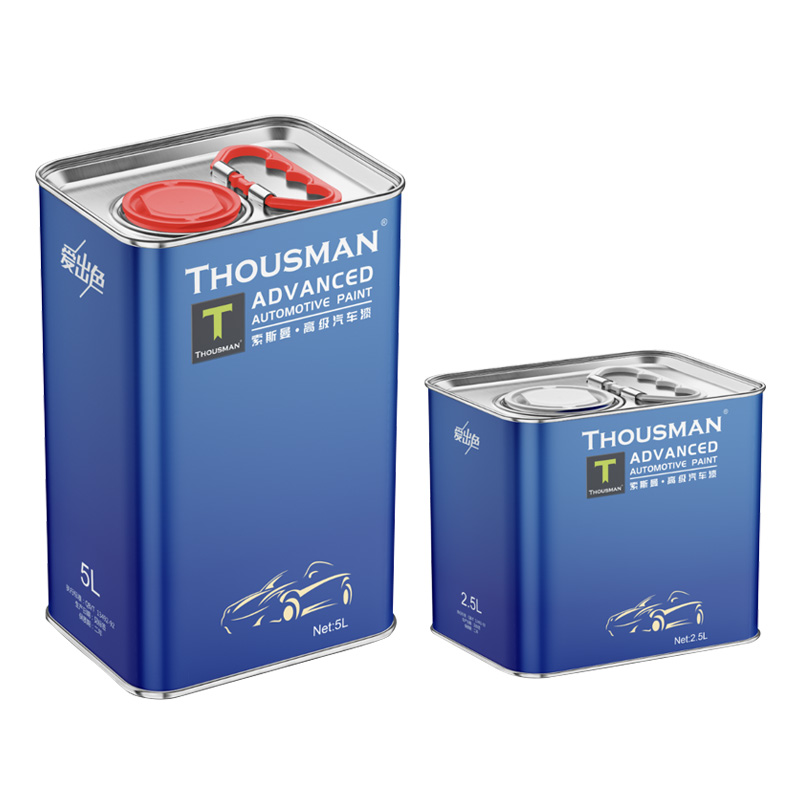
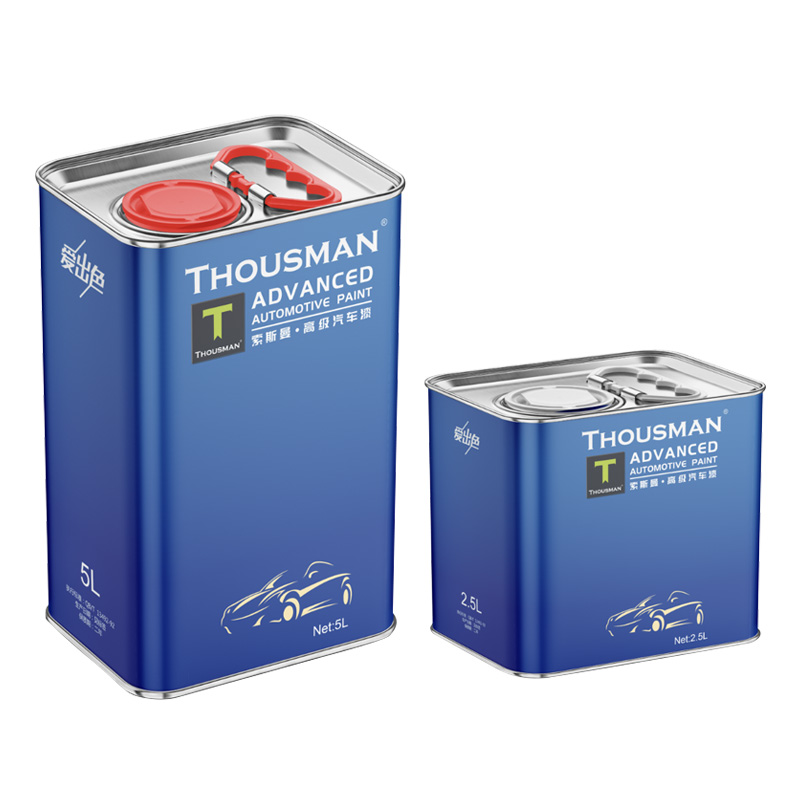
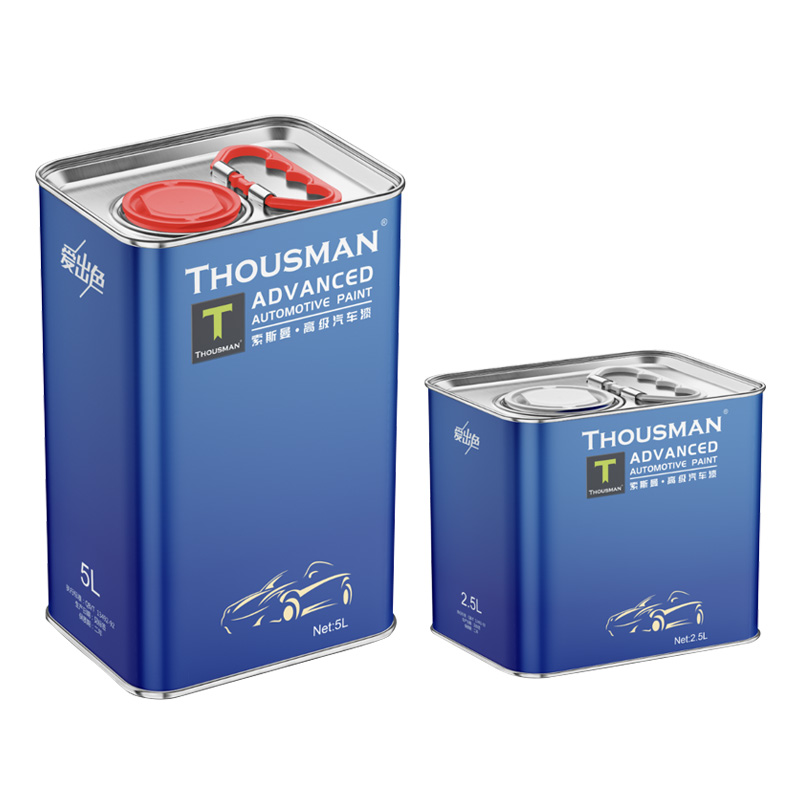
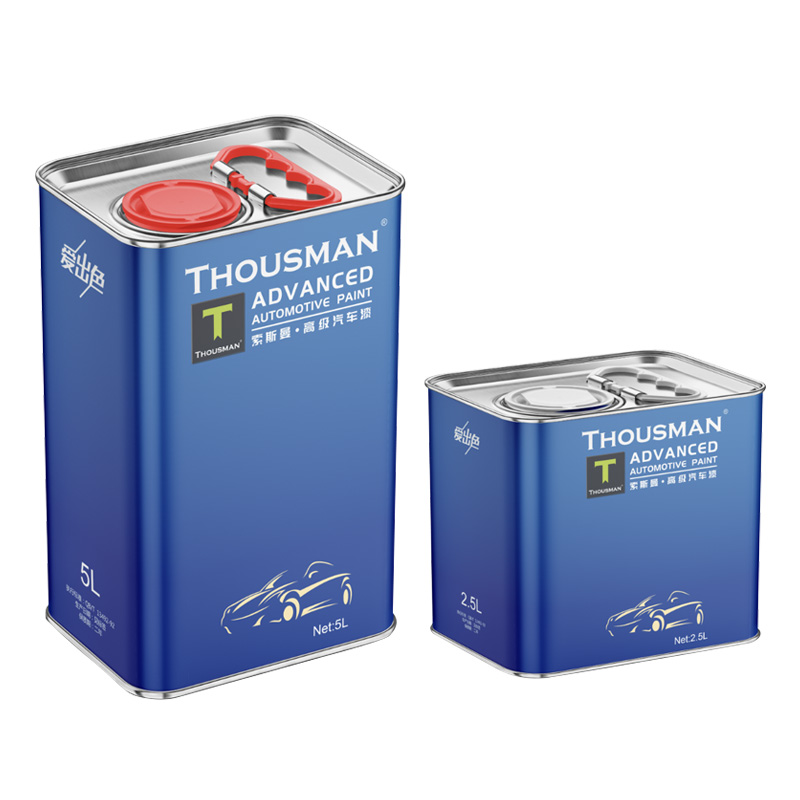
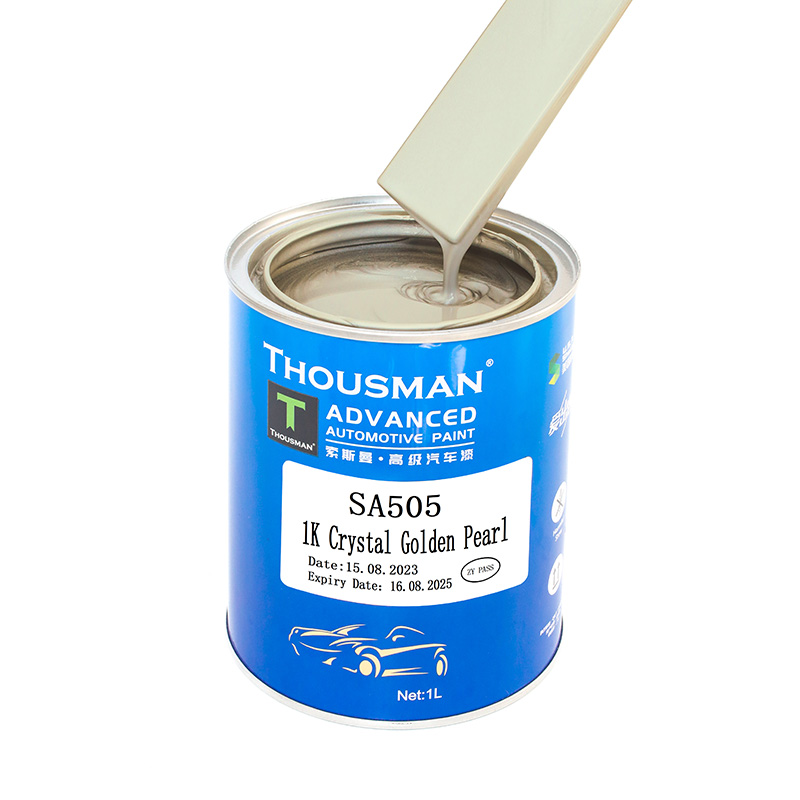
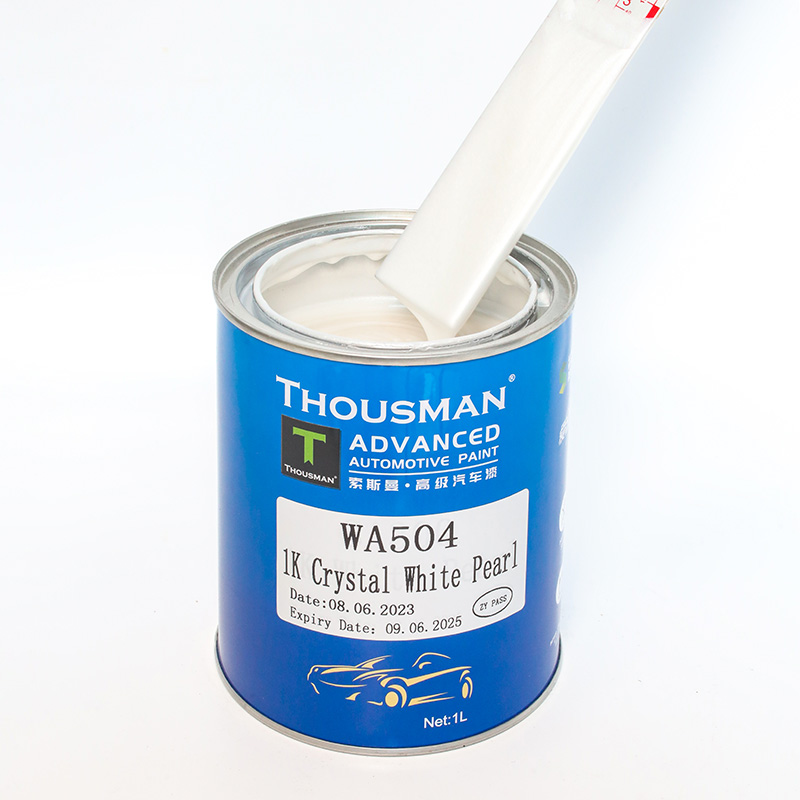
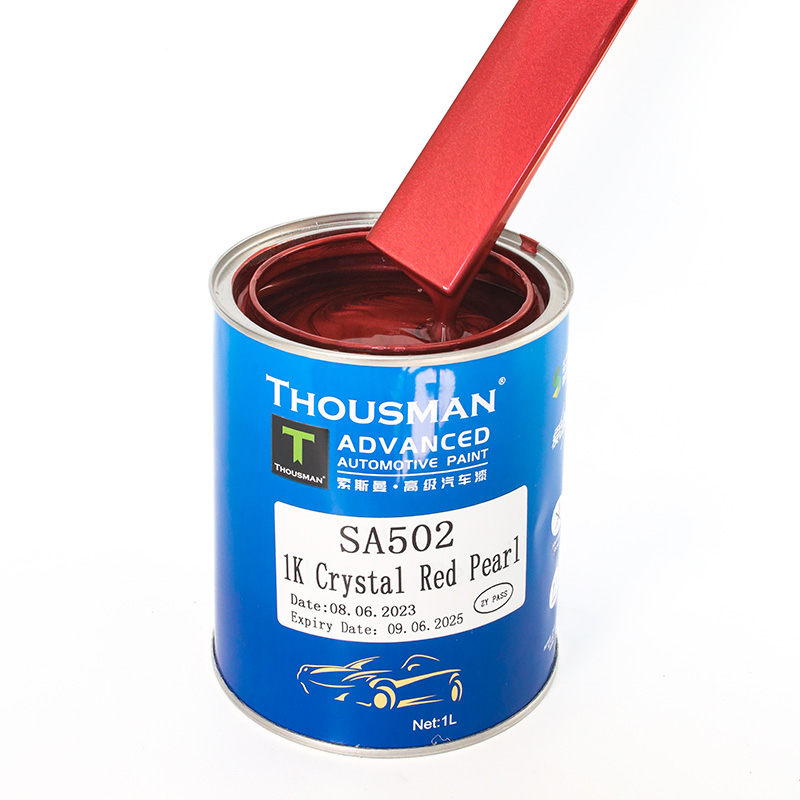
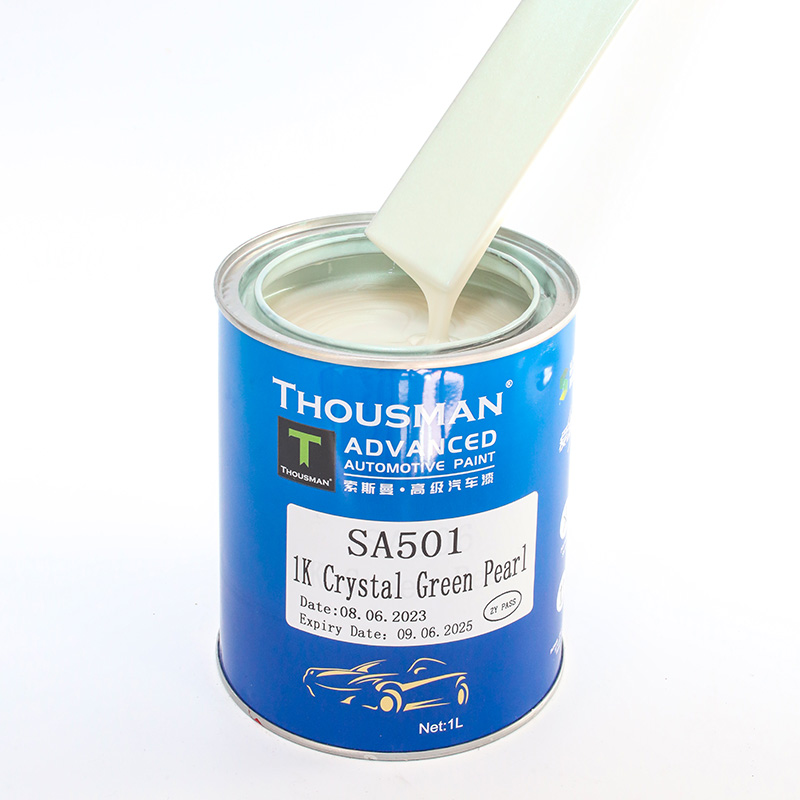
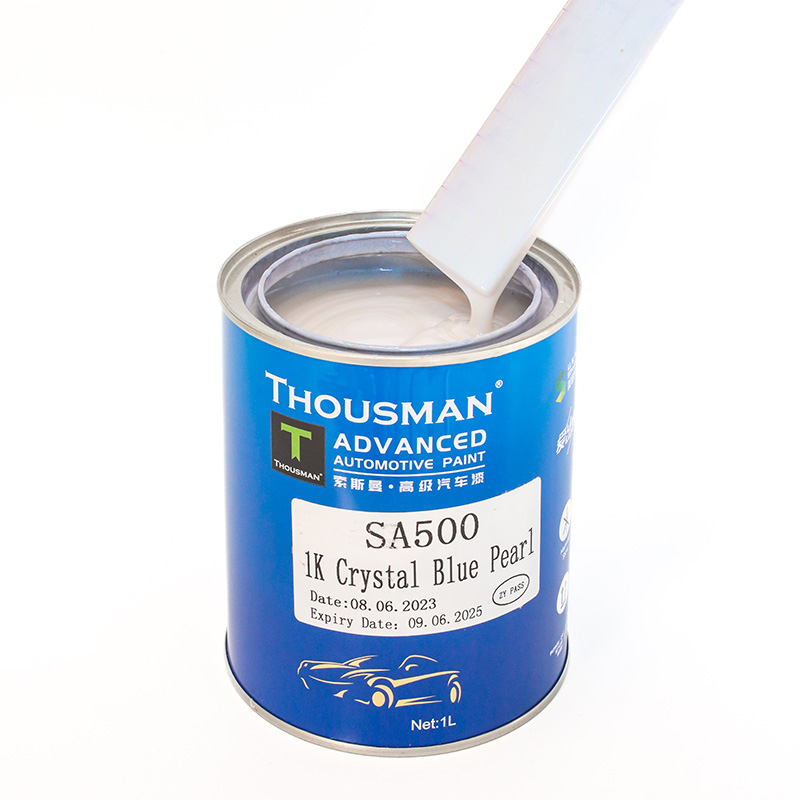
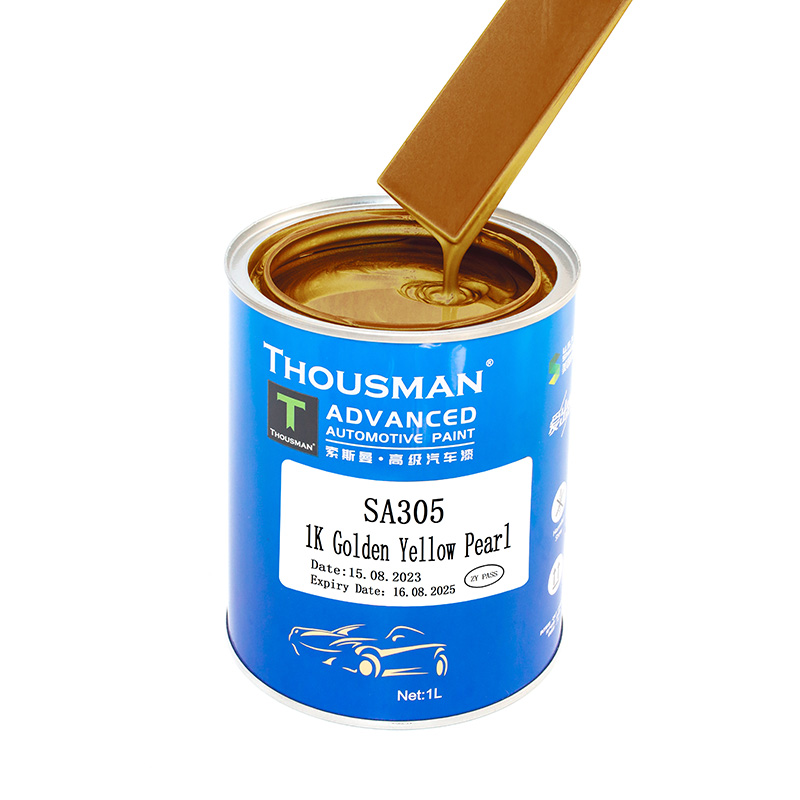
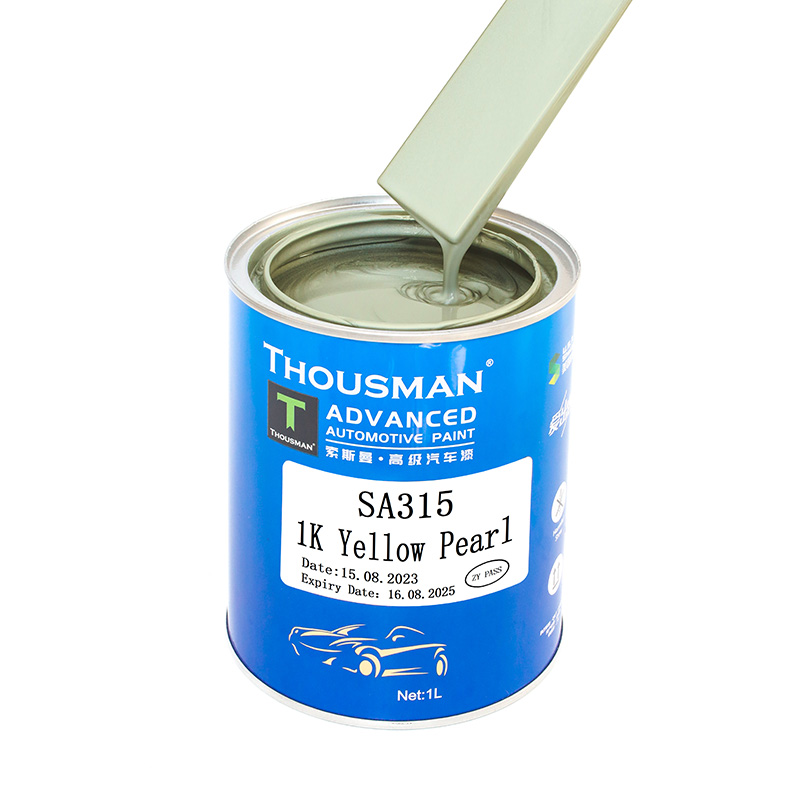
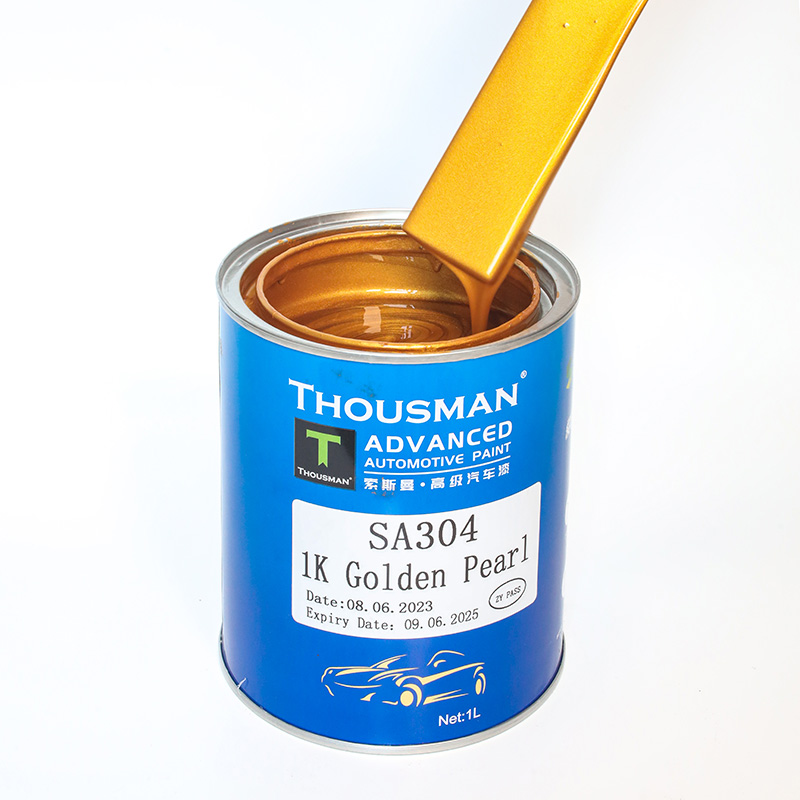
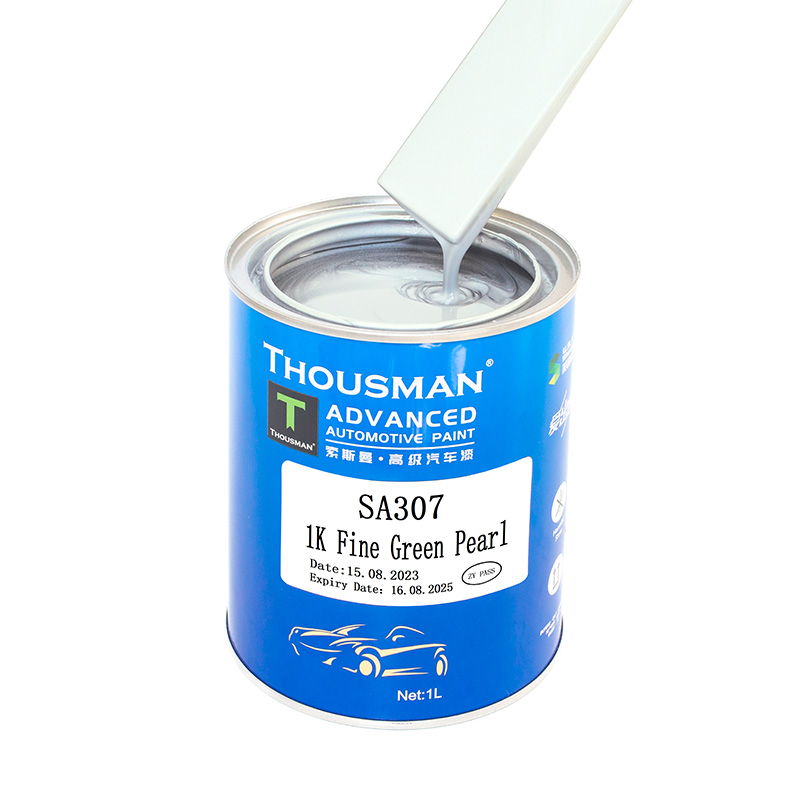
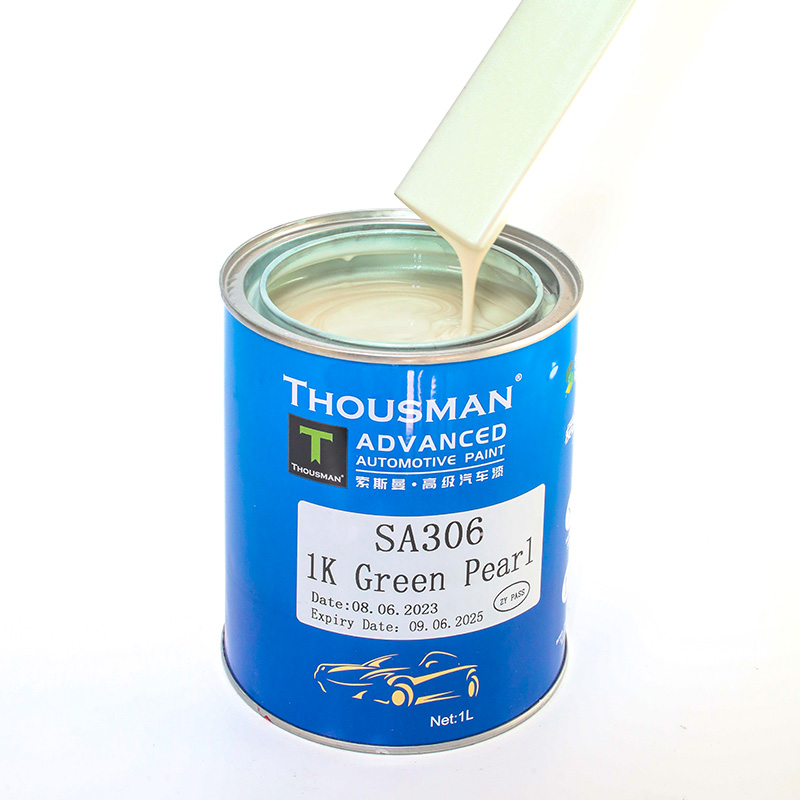
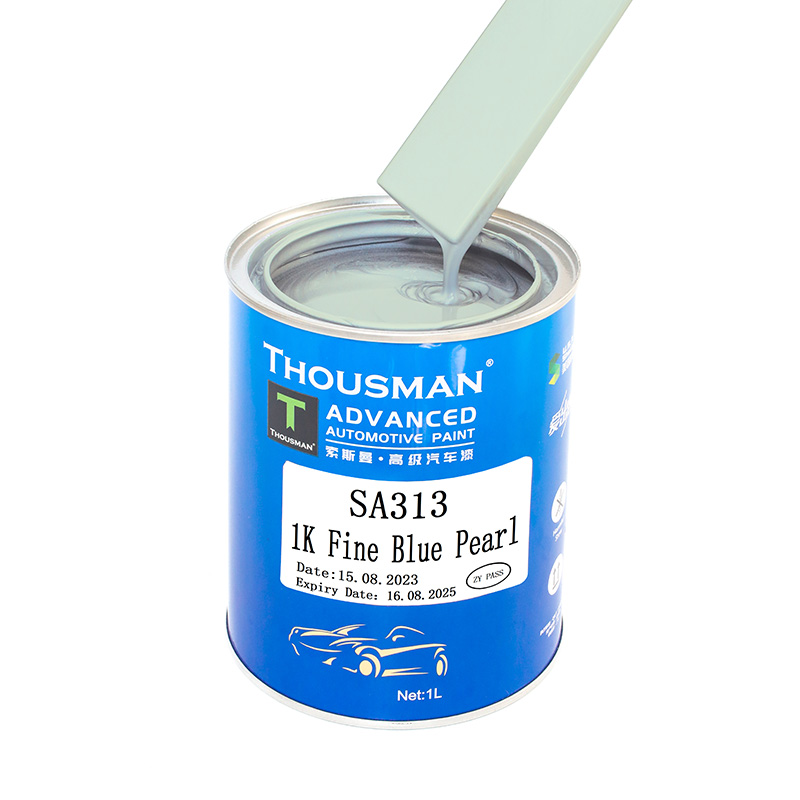
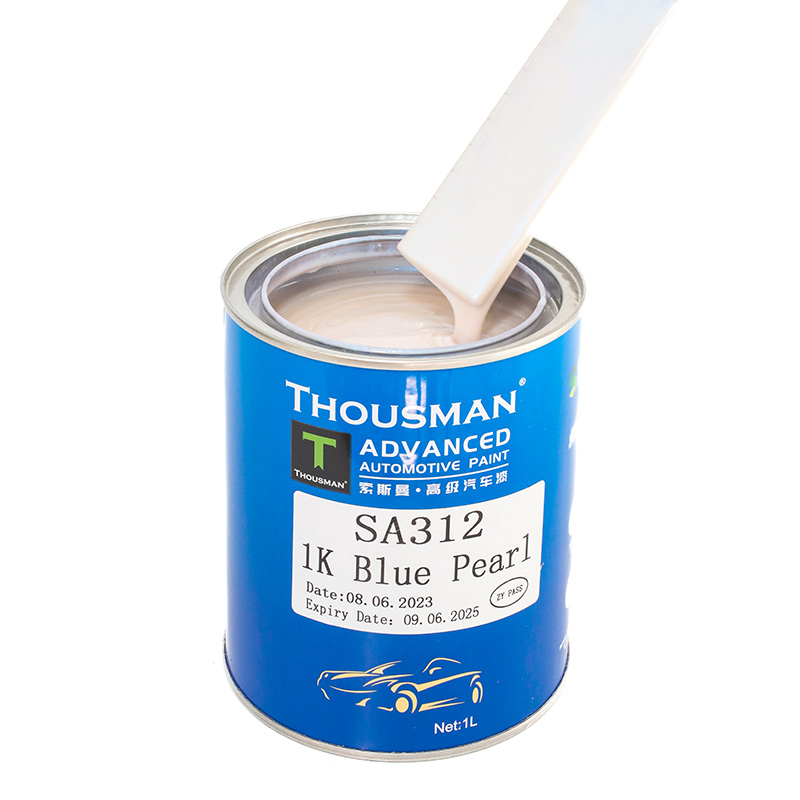
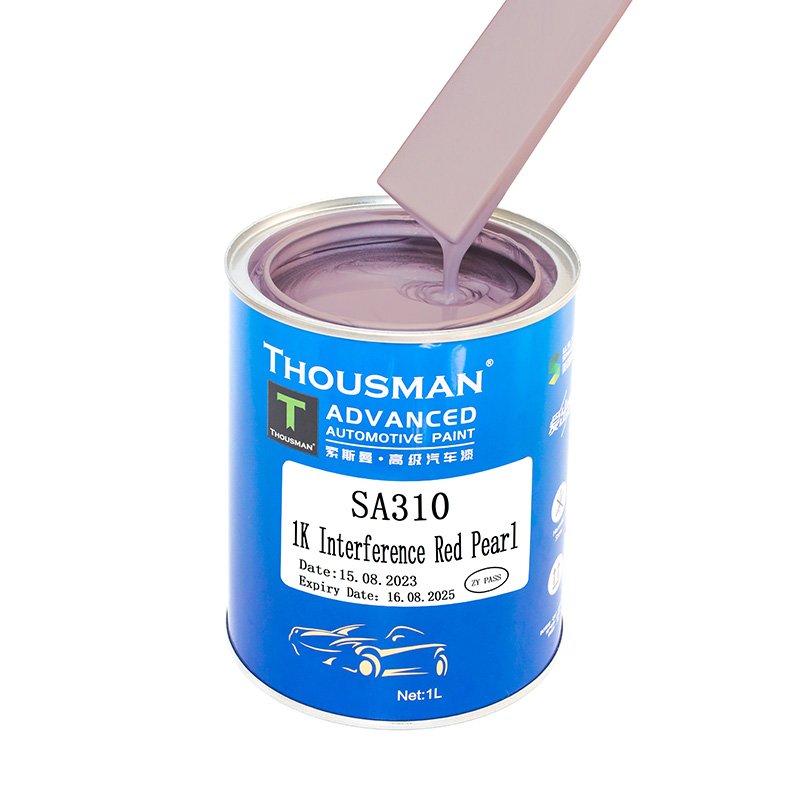
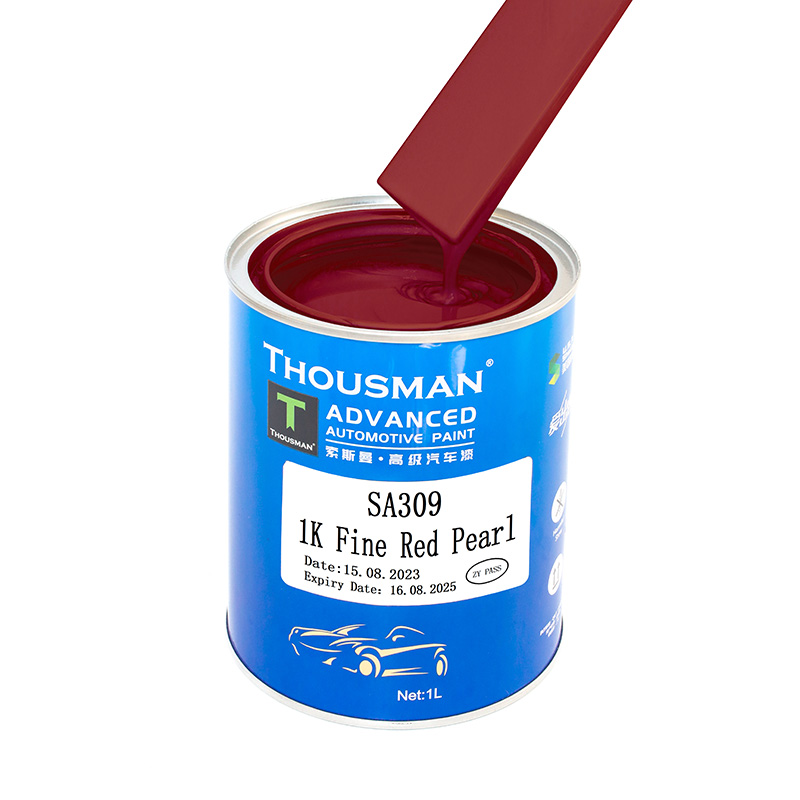
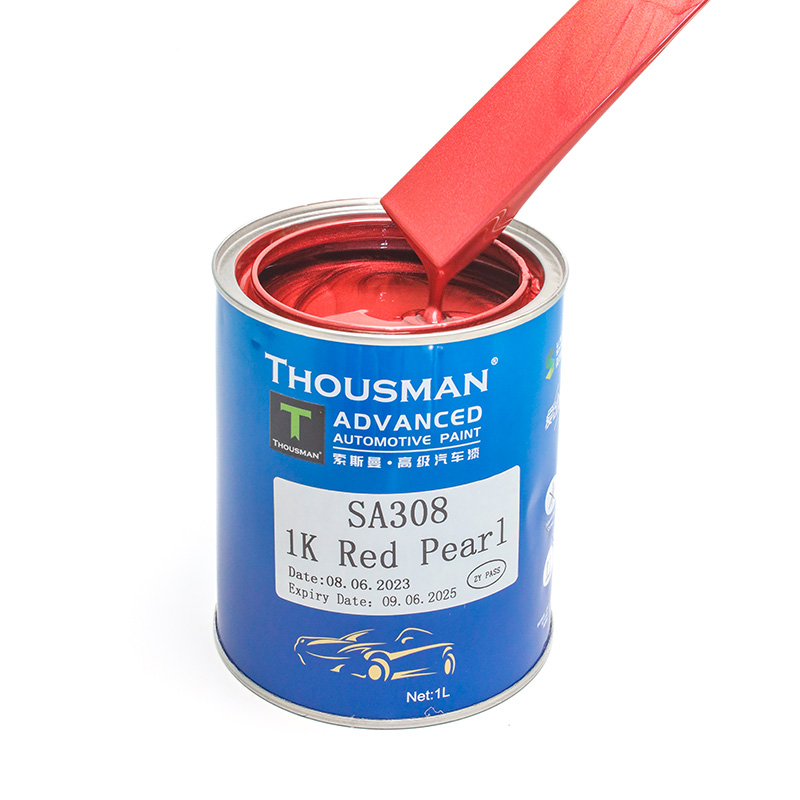
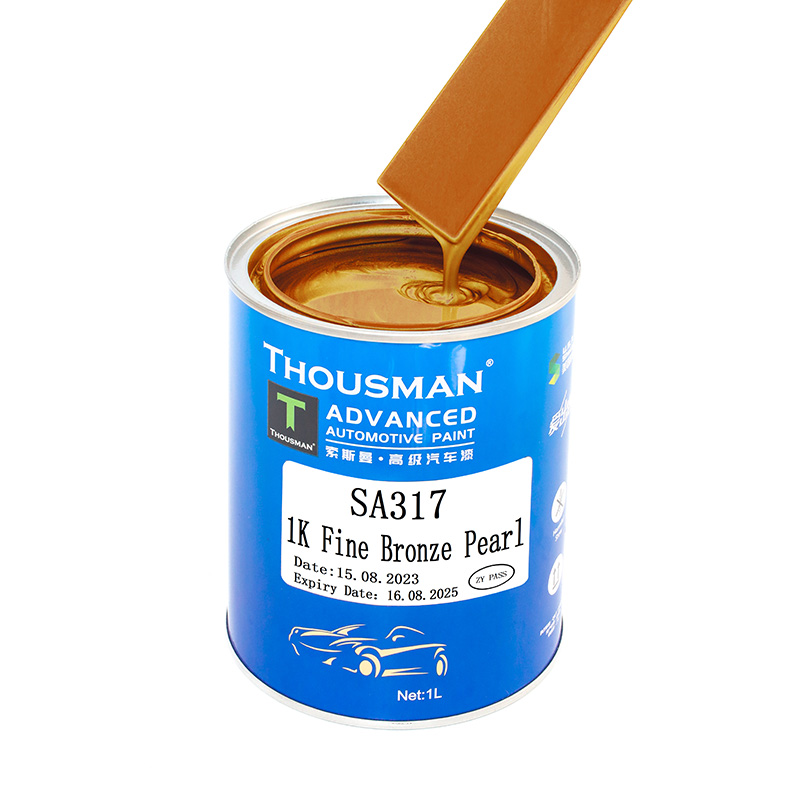
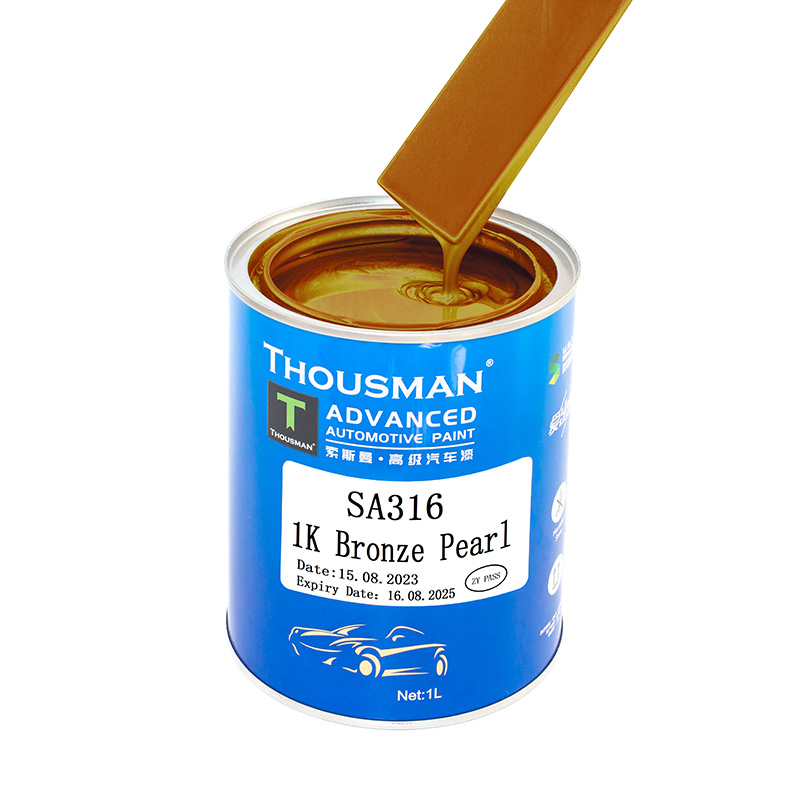
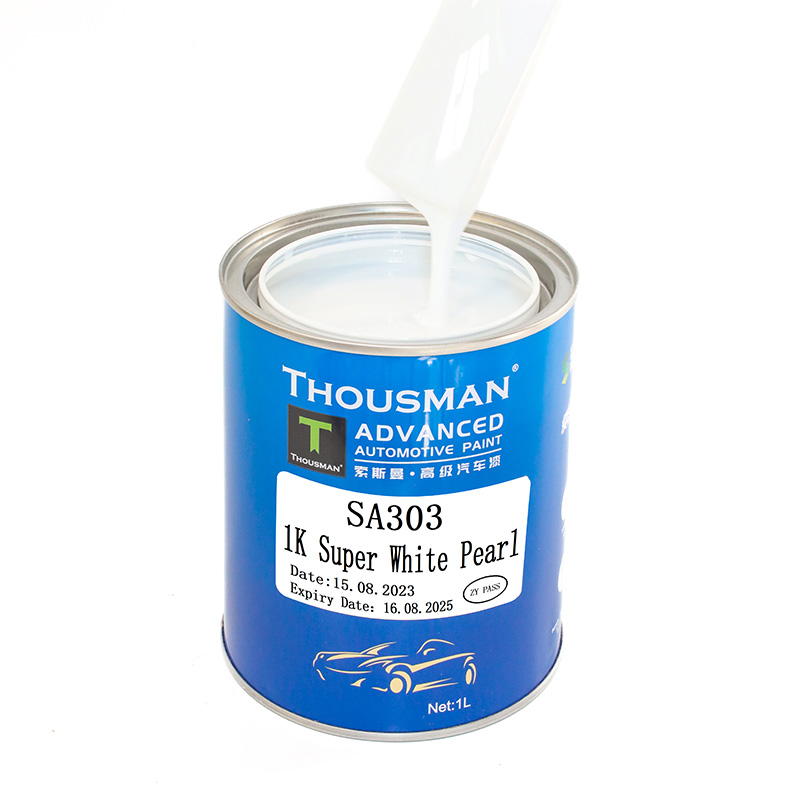
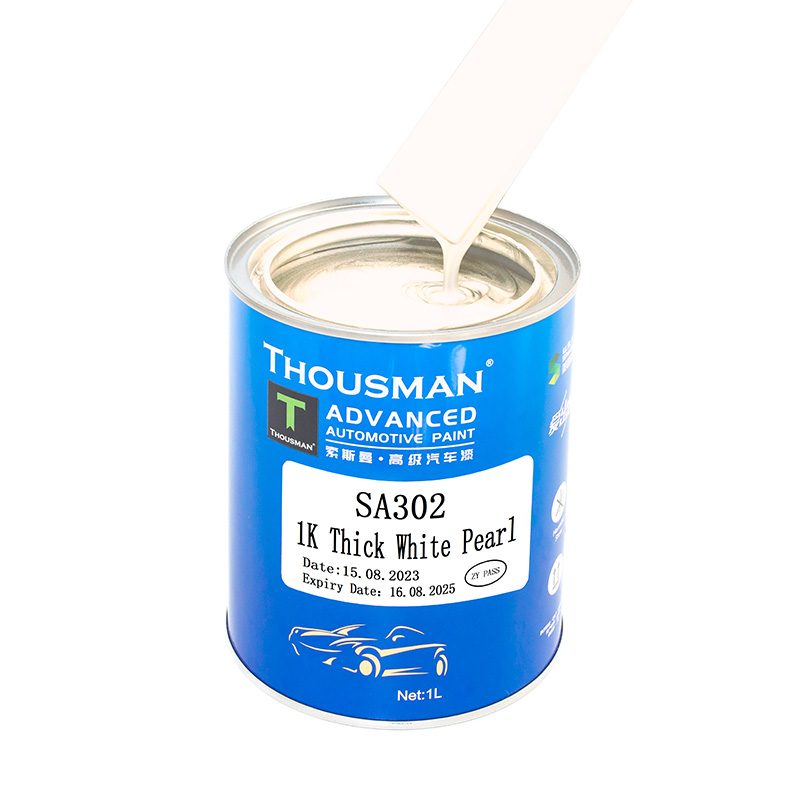
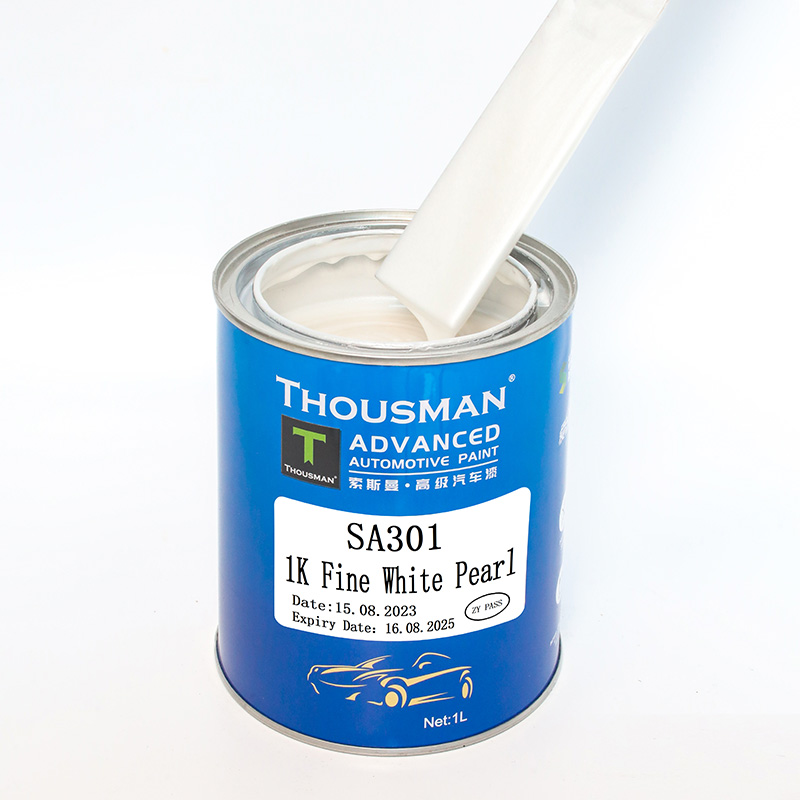
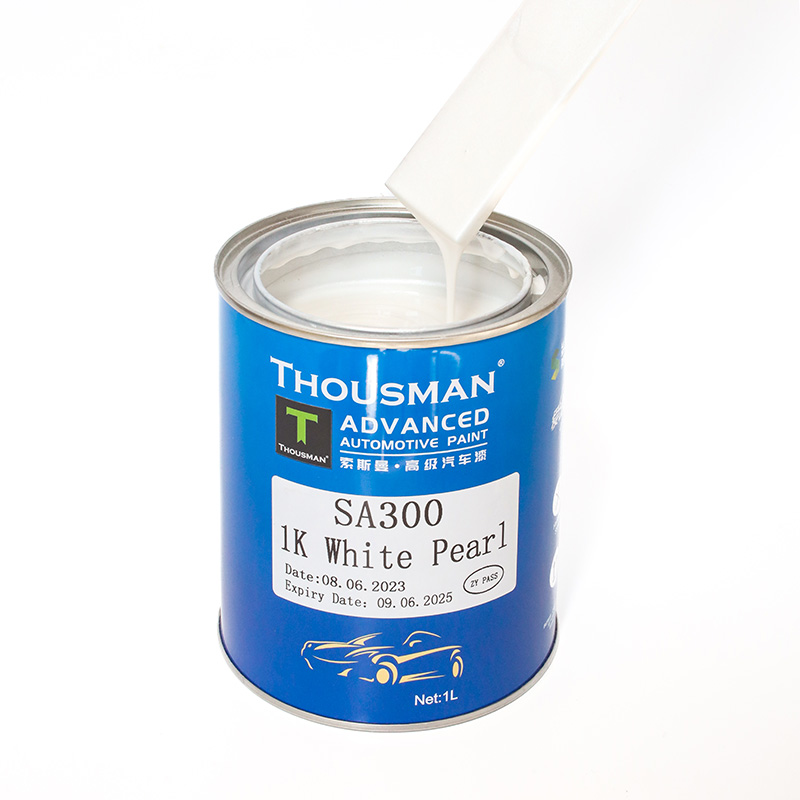
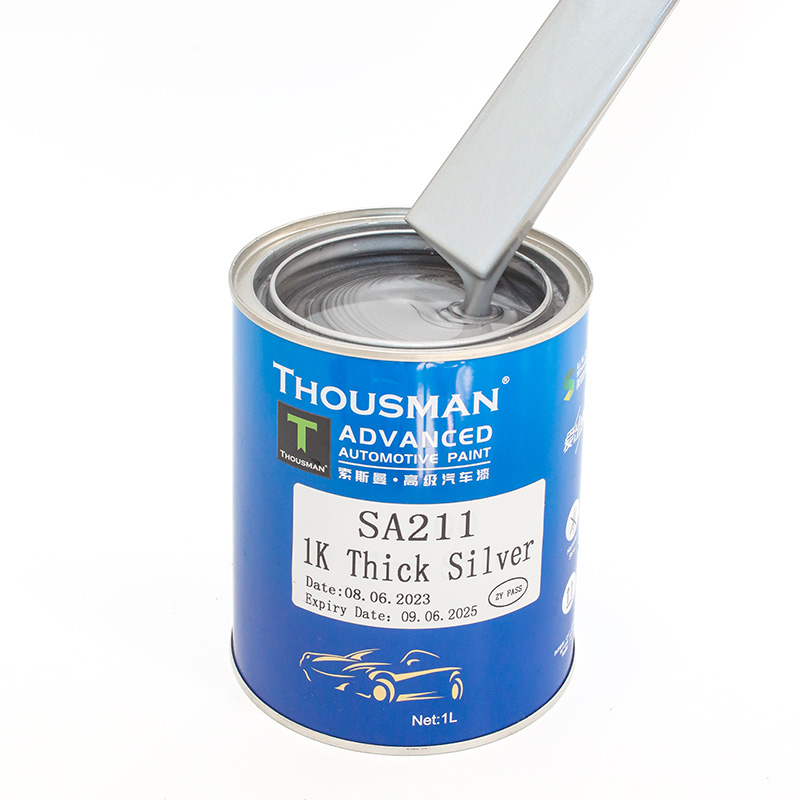
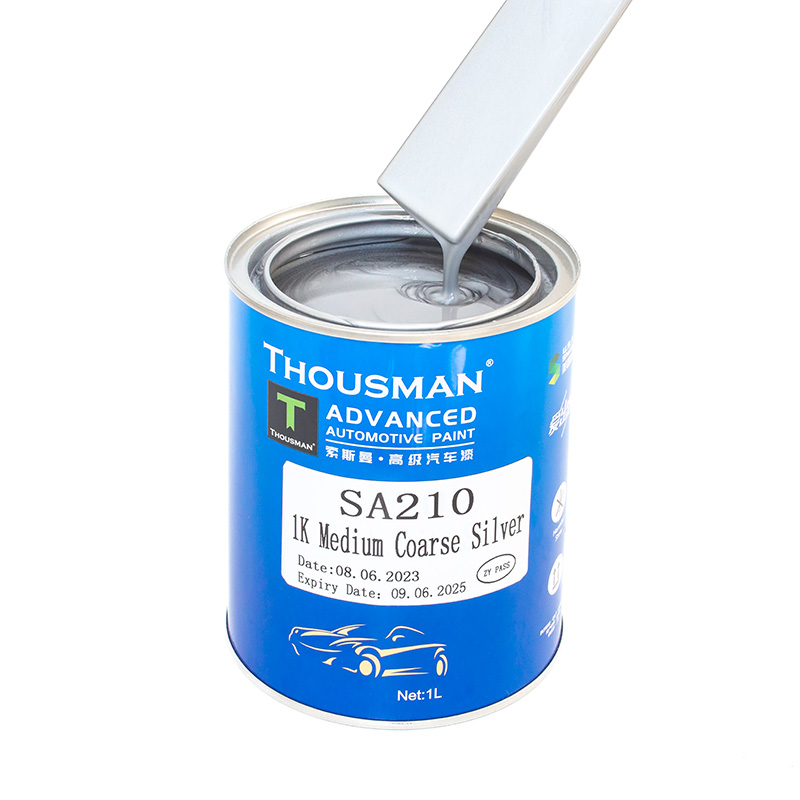
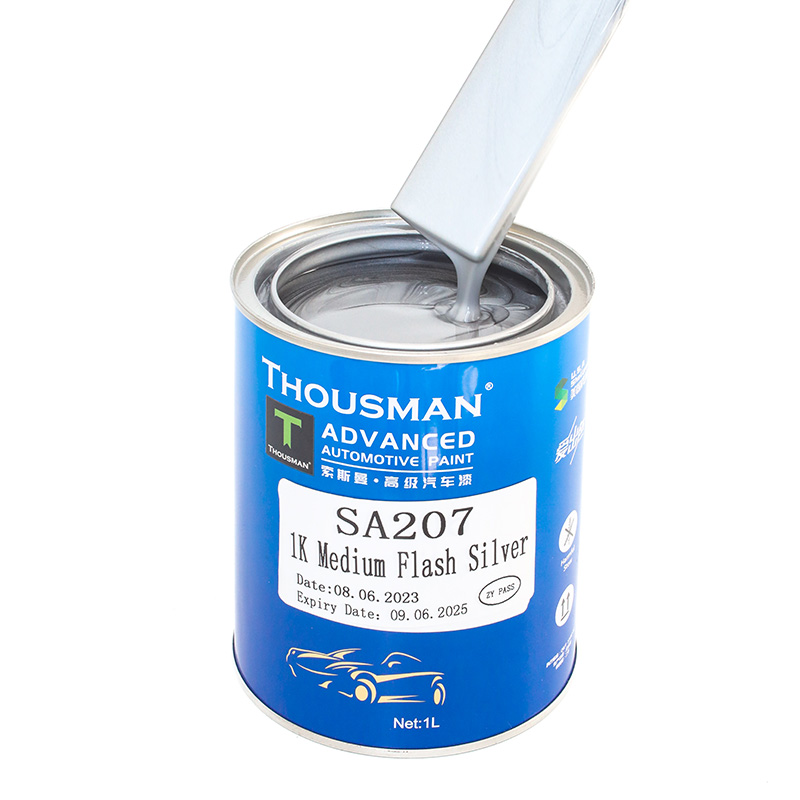
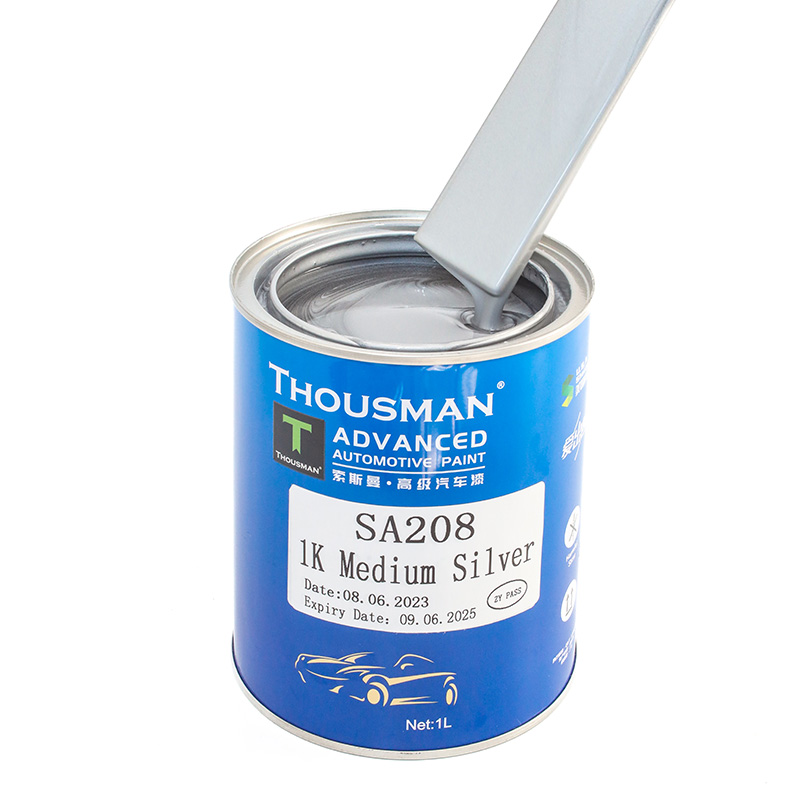
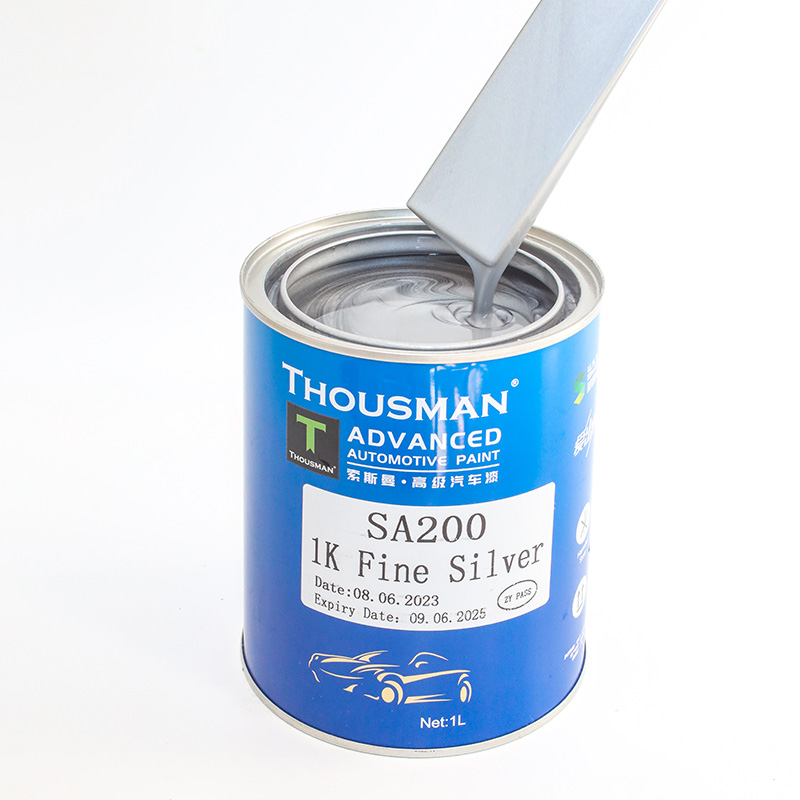
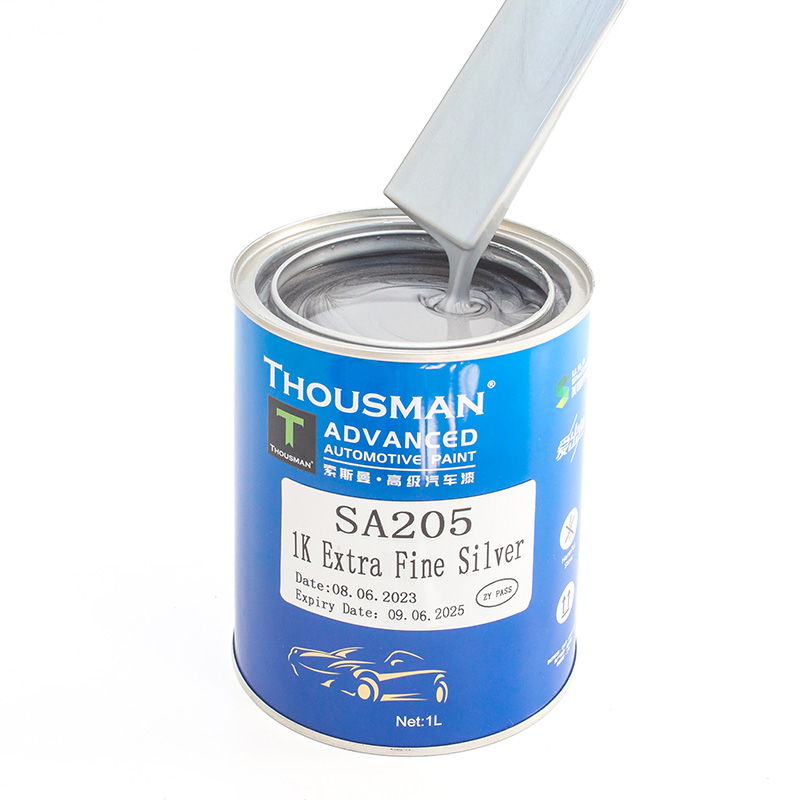
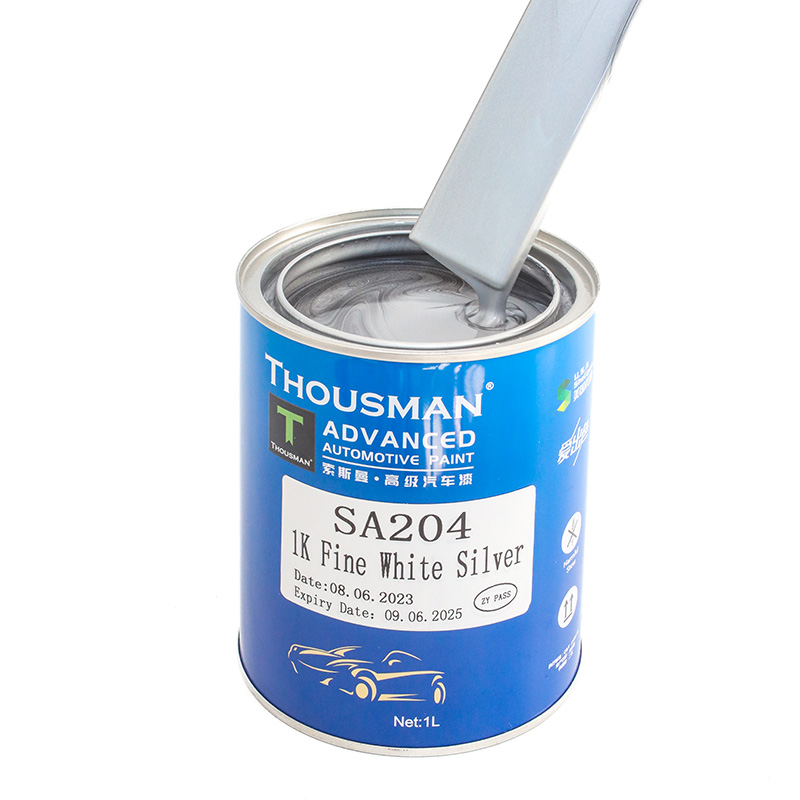
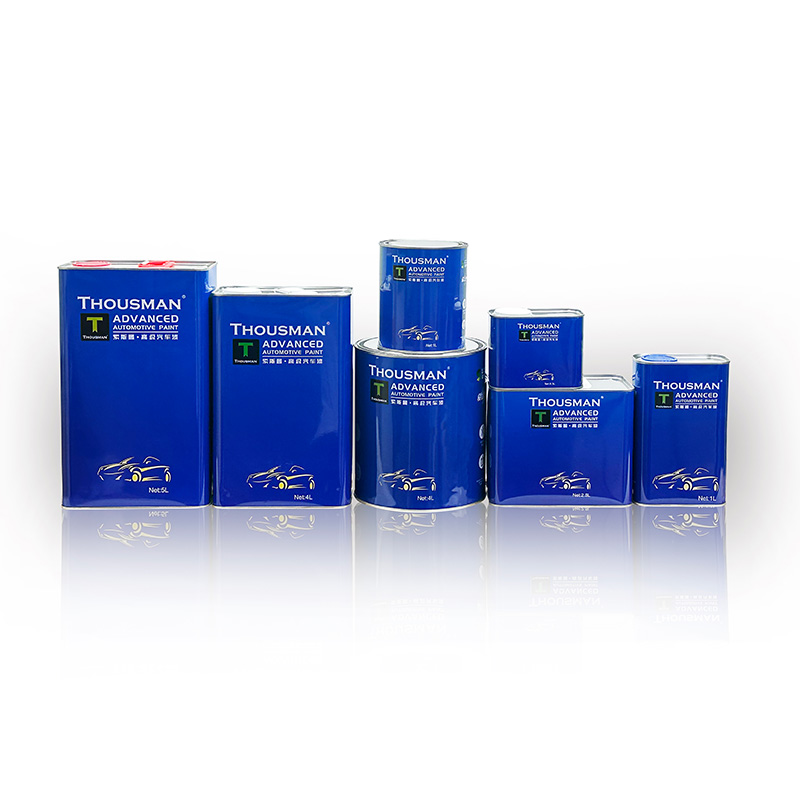
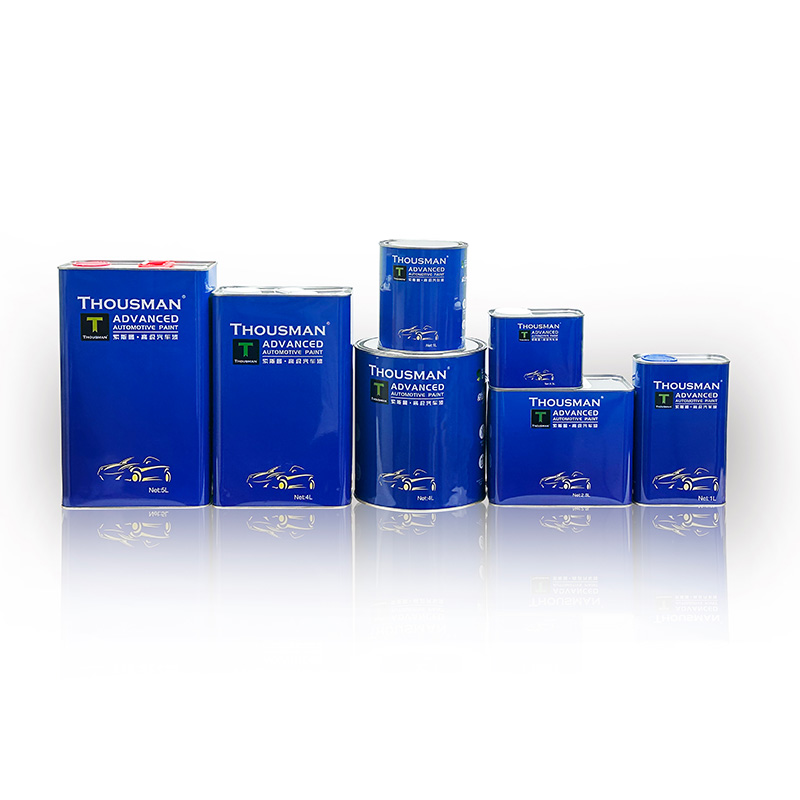
In modern automotive refinishing, 1K basecoat systems are widely used for their smooth color performance, easy application, and efficient workflow. Whether for spot repair, full-body repainting, or OEM automotive paint projects, 1K basecoat remains one of the most common solutions in the automotive coating industry.
As an automotive coating factory working with distributors and body shops worldwide, we often see customers focus only on color appearance while overlooking system compatibility and coating stability. In reality, choosing the right 1K basecoat system directly affects gloss, adhesion, color consistency, and long-term performance.
Understanding how 1K basecoat works is essential for achieving professional automotive paint results.
What Is 1K Basecoat?
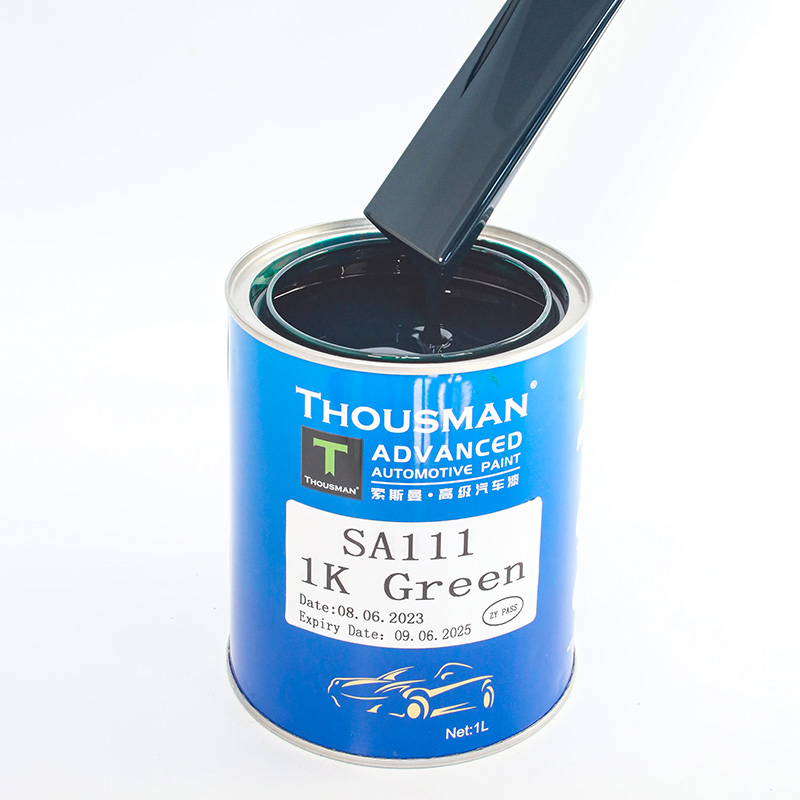
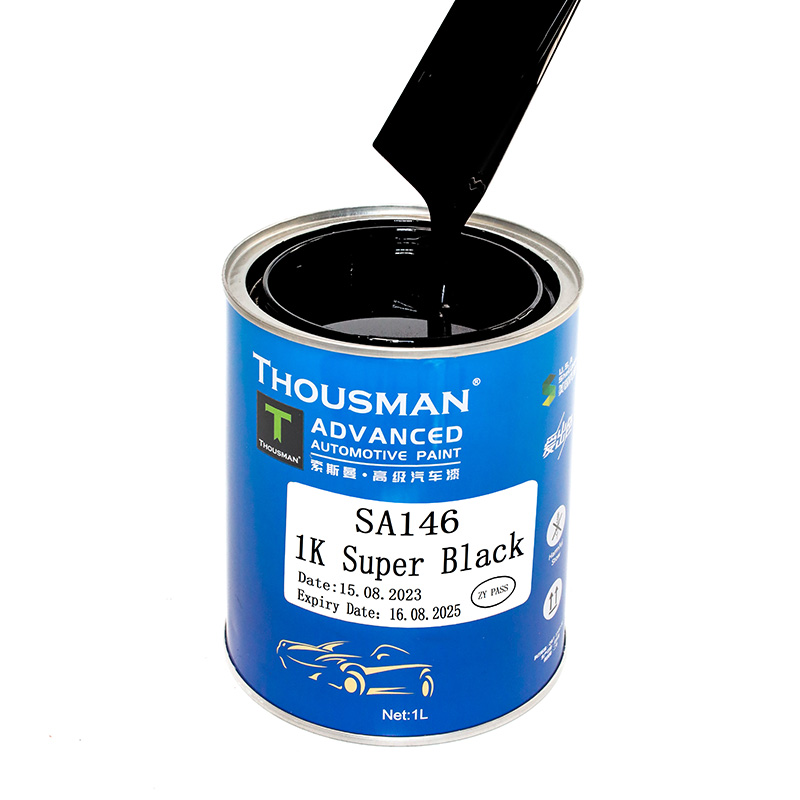
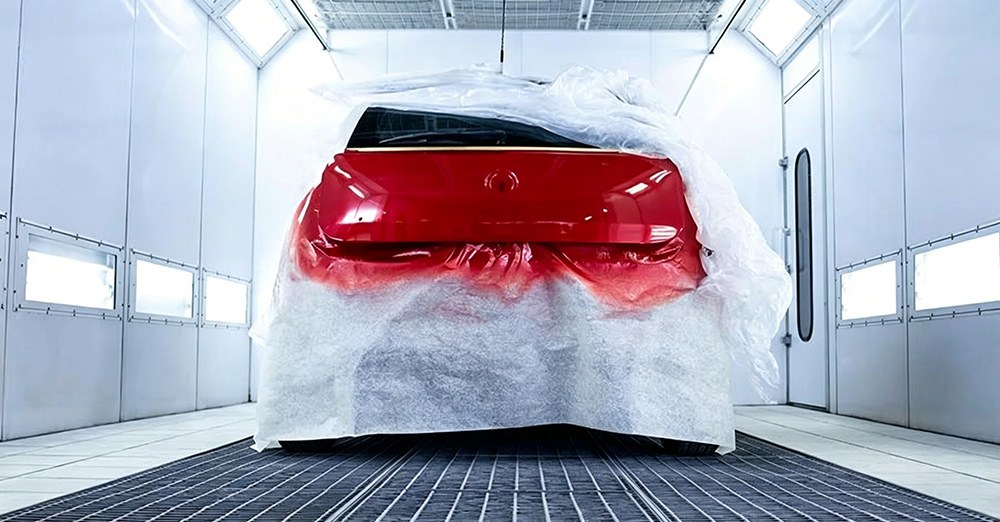
1K basecoat is a single-component automotive paint layer mainly used to provide color and visual effect in a coating system. Unlike 2K coatings, 1K basecoat does not require hardener for curing and dries mainly through solvent evaporation.
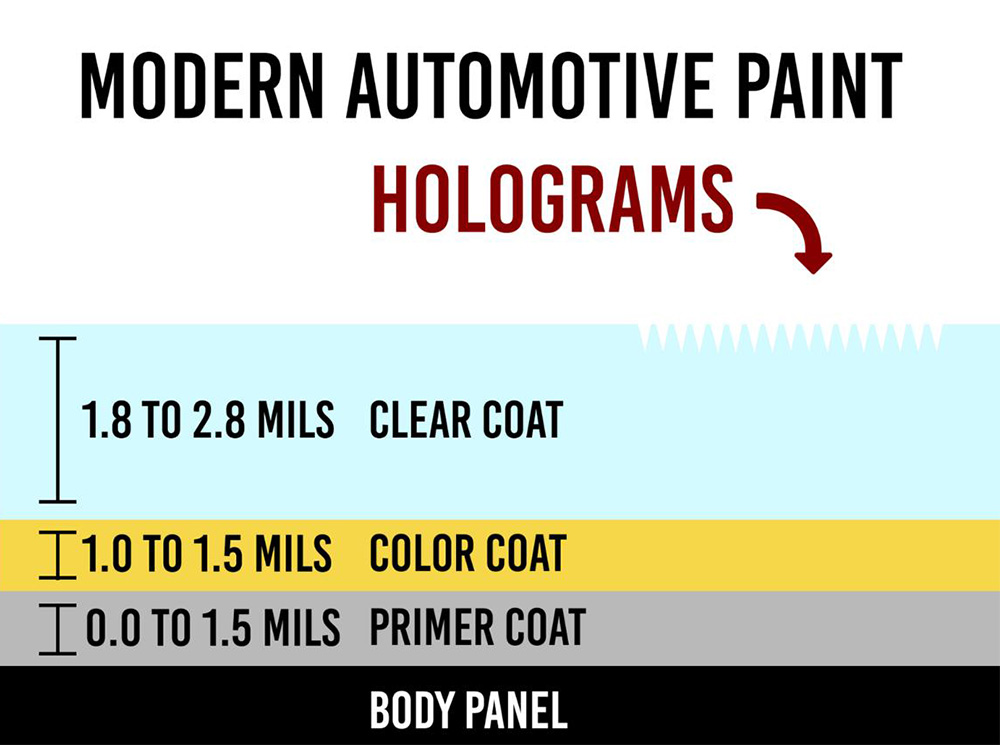
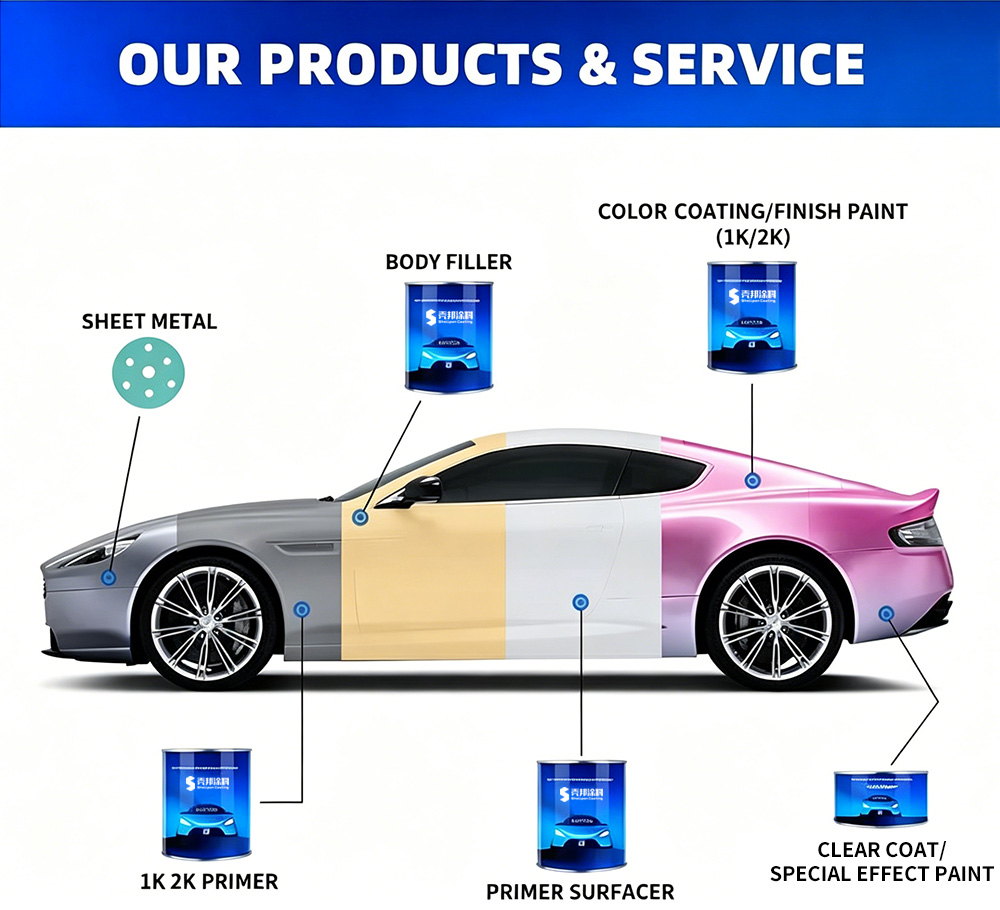
In a standard automotive paint system, 1K basecoat is usually applied between primer and clearcoat.
A typical coating structure includes:
Primer
1K basecoat
Clearcoat
This structure allows the 1K basecoat to focus on color performance while the clearcoat provides gloss and protection.
Main Advantages of 1K Basecoat
One reason 1K basecoat is widely used is because it offers a balance between efficiency, finish quality, and application flexibility.
Key advantages include:
Fast Application
1K basecoat dries quickly, helping improve production efficiency in body shops and repair centers.
Excellent Color Performance
Modern 1K basecoat systems can deliver:
Solid colors
Metallic finishes
Pearl effects
with smooth and consistent appearance.
Easy Repairability
Compared to more complex coating systems, 1K basecoat is easier to blend and repair during spot refinishing.
Good Compatibility
When used with compatible primers, thinners, and clearcoats, 1K basecoat systems provide reliable overall coating performance.
This is why many professionals prefer working with a reliable automotive paint supplier that can provide a stable and complete coating solution.
How Is 1K Basecoat Applied?
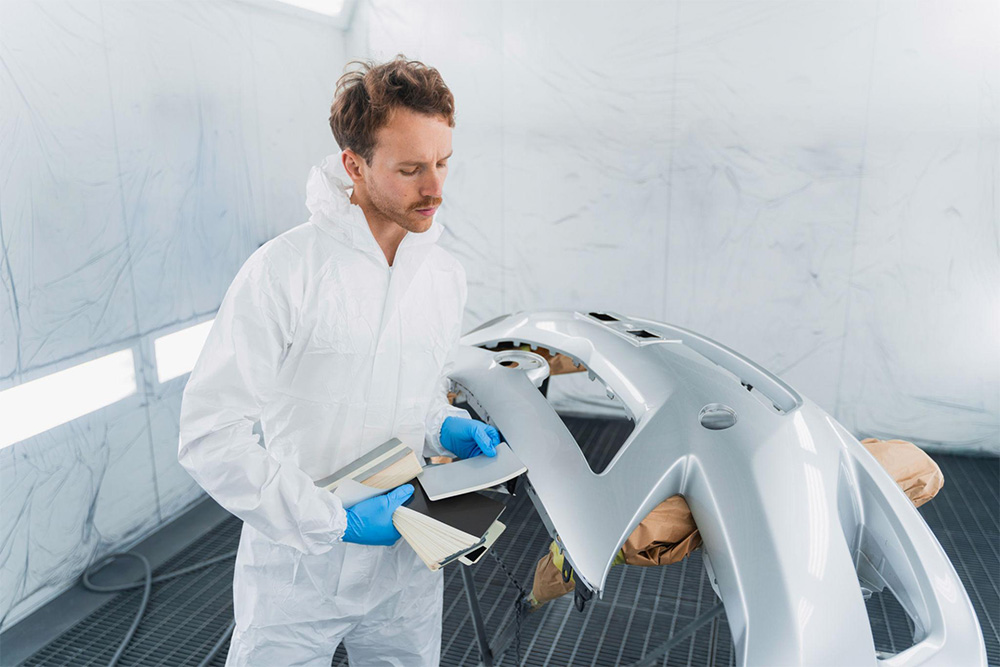
Proper application is critical for achieving smooth finish and color consistency.
Typical application steps include:
Surface Preparation
The substrate must be:
Clean
Dry
Properly sanded
Any contamination may affect adhesion and final appearance.
Primer Application
Primer creates the foundation for the 1K basecoat and improves adhesion.
Spraying the 1K Basecoat
1K basecoat is typically sprayed in:
2–3 medium coats
Proper flash-off intervals between coats
Uniform spray distance and consistent air pressure are important for avoiding:
Patchiness
Clouding
Uneven metallic effect
Clearcoat Application
After the 1K basecoat flashes off completely, clearcoat is applied to provide:
Gloss
UV resistance
Chemical protection
In professional automotive paint systems, compatibility between basecoat and clearcoat is essential for long-term coating stability.
Common 1K Basecoat Problems
Although 1K basecoat is relatively easy to use, improper application can still cause issues.
Common problems include:
Uneven Color
Usually caused by:
Incorrect spray technique
Inconsistent overlap
Poor atomization
Clouding or Patchiness
Especially common in silver car paint and metallic finishes.
Poor Adhesion
Often related to:
Surface contamination
Improper primer selection
Recoat timing issues
Color Difference After Repair
Can occur when:
Spray pressure changes
Thinner evaporation rate differs
Basecoat compatibility is unstable
This is one reason why many body shops prefer sourcing products from an experienced OEM automotive paint supplier that can ensure batch stability and consistent formulations.
1K Basecoat vs 2K Paint: What’s the Difference?
The main purpose of 1K basecoat is color appearance, while 2K coatings are designed more for protection and durability.
Key differences include:
1K basecoat dries through solvent evaporation
2K coatings cure chemically with hardener
1K systems are easier to repair and blend
2K systems generally provide higher durability
In most automotive coating systems, 1K basecoat is combined with 2K clearcoat to achieve both visual effect and protective performance.
Pro Insight: Why Coating System Compatibility Matters
Based on real-world applications, many automotive paint failures are not caused by the basecoat itself, but by incompatible coating systems.
Common issues often come from:
Incorrect thinner selection
Unstable primer compatibility
Poor-quality clearcoat systems
Inconsistent material formulations
For this reason, many distributors and repair centers choose to work with a professional car paint supplier that can provide stable coating systems rather than isolated products.
Today, China-based automotive coating factories have become important OEM partners for global distributors seeking scalable and cost-effective automotive paint solutions.
Need Help Choosing the Right 1K Basecoat System?
Not sure which 1K basecoat system fits your market or application requirements?
As an automotive coating factory, we provide:
Stable 1K basecoat formulations
Compatible thinner and clearcoat systems
OEM automotive paint support
Technical guidance for distributors and body shops
Contact us for product recommendations, OEM cooperation, or technical support.
